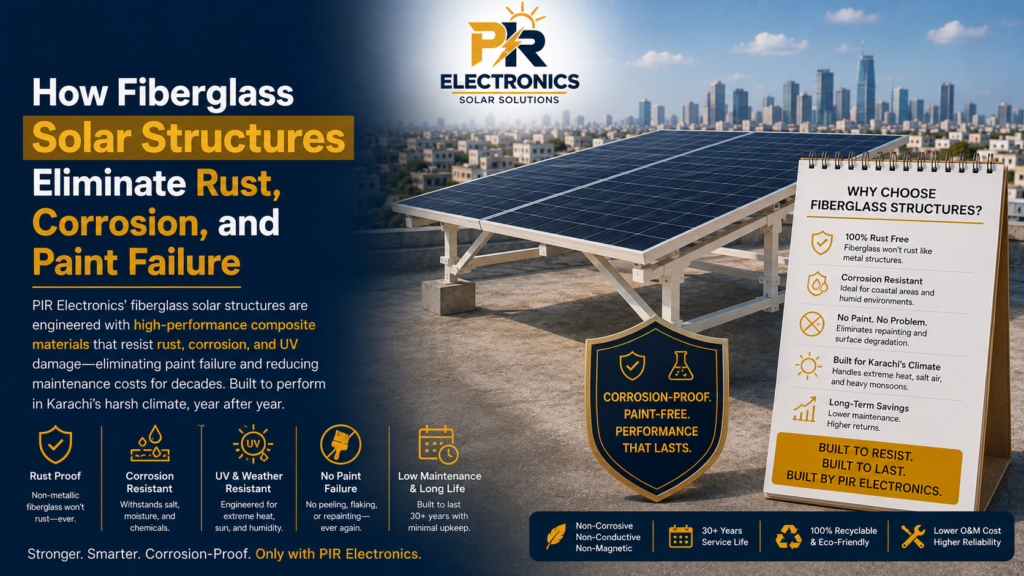
The life of the Fiberglass Solar Structures panels is limited by the buildings that carry them. In extreme places such as Karachi, traditional metal frames are subjected to unheralded pressure in humidity, salted coastal air and temperature changes. Steel rusts away, aluminum is oxidized, and protective paints are damaged which all undermine the structural integrity and decline the performance of the solar panels. These typical problems are completely eliminated by fiberglass solar structures by PIR Electronics that are constructed to be durable.
Table of Contents
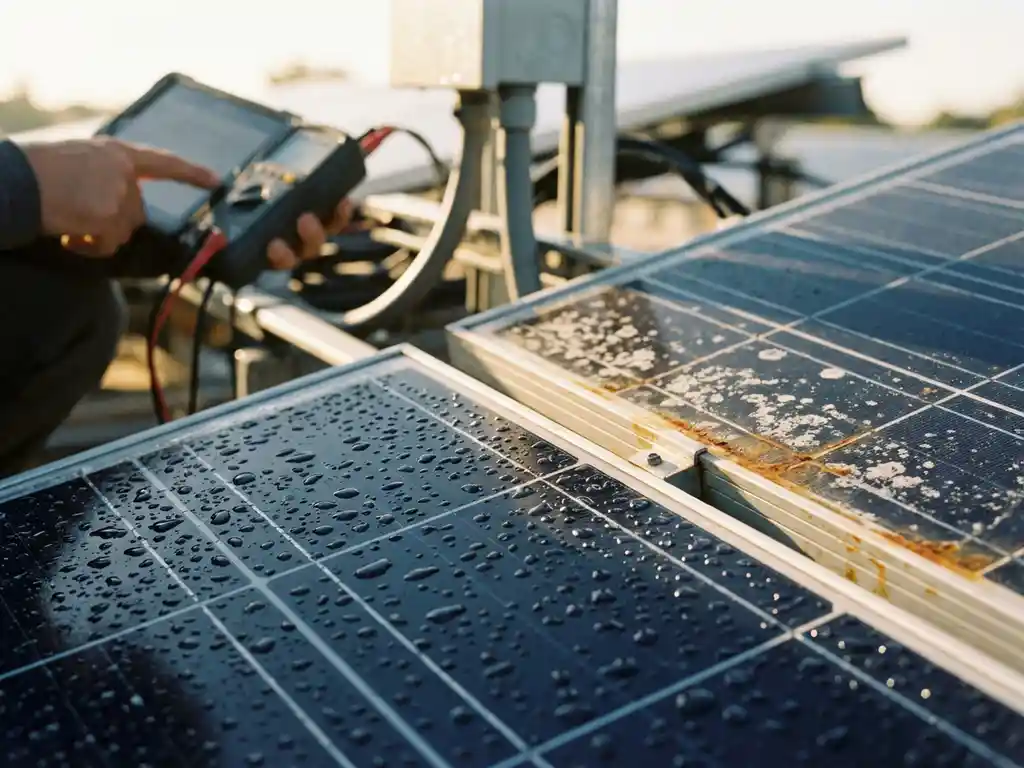
The Corrosion and Rust Issue of Metal Frames
Traditional metal frames have a number of long term issues:
- Rust Formation: Steel reacts to moisture and salt in the air and therefore, weakens the structure with time.
- Oxidation: Aluminum can be prone to rust, however, it creates oxide layers that can undermine load-bearing spots.
- Paint and Coating Failure: Coatings used in protecting metals fail because of the UV radiation and other environmental factors that wear off the coating exposing the metal.
When rust or corrosion sets in, the structural stability goes down. Tilting of the panels, loosening and even falling of the panels may occur in extreme cases, which will directly affect the energy production and safety.
Fiberglass: Environmentally Unfriendly to Damage
Fiberglass is corrosion free in nature. It is not reactive to water, humidity or salt, therefore suitable to the coastal and industrial environment. Advantages include:
- Zero rust formation
- No oxidation risk
- There is no necessity to use paint coating that deteriorates as time goes by.
- Long lasting, consistent high performance in extreme temperature and moisture.
PIR Electronics is designed to sustain the specific environmental characteristics of Karachi, so that solar installations last decades when every fiberglass frame is designed to withstand these conditions.
The Way That Fiberglass Solar Structures Help Deter Failures Caused by Paint
Fiber solar panels structures in Karachi are not dependent on coating to give protection as is the case with metals. This destroys typical failures that are common in painting which include peeling, cracking and flaking. Benefits include:
- None of the time spent on maintenance to repaint.
- Uniform strength of structure without degradation of the structure or function.
- Prevention of acidic micro-climates which develop under scraped paint.
This applies to quality assurance in terms of alignment of solar panels and continuous energy generation even in long term installations.
Long Term Reliability and Low Maintenance
Fiber solar structure in Karachi will cut down the maintenance levels significantly by removing rust, corrosion, and paint failure. Property owners enjoy:
- Reduced inspections and repair.
- Reduced costs in replacement during the lifecycle of the system.
- Sustainability of energy production with no structural disruptions.
These advantages are essential when installing on a large scale or on the rooftop. Little or no maintenance also lowers the labor expenses, as well as hassles in operations.
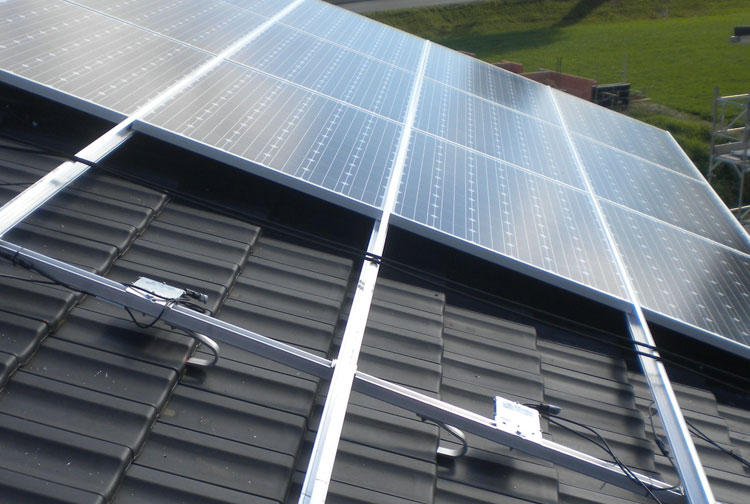
The Reasons Why Fiberglass Is the Wise Choice for Coastal Installations
The air at Karachi coastline increases corrosion of metal. Fiberglass structures:
- Keep up the spirits in the salt winds.
- Be light and tough.
- Avoid cumulative wear which decreases the life of panels.
The fiber solar frames of PIR Electronics provide a solution before the problem starts, which avoids structural issues.
The Bottom Line
Solar panel performance killers are rust, corrosion and paint failure which are silent. Metal frames can last long but the impact accumulates as time goes and makes them less efficient in energy consumption. These risks can be completely eliminated by PIR ElectronicsFiber glass solar panels structure which provide low-maintenance, durable and reliable solutions. In the coastal or humid climatic conditions or industrial conditions, fiberglass is the best investment towards longer term performance of solar panels.