
Chemical plants in Karachi expose rooftop equipment to humidity, airborne salts, acidic or alkaline vapours, production dust and cleaning chemicals. These conditions can affect frames, fasteners and electrical components long before a problem becomes visible from ground level.
Properly specified FRP mounting systems Karachi can offer low weight, resistance to conventional rust and useful electrical-insulation properties. These benefits may suit chemical, pharmaceutical, fertiliser, paint and textile-processing facilities. However, resin selection, structural design and connection details determine whether the system is suitable for a particular plant.
Table of Contents
Why Chemical Plants Need Specialised Solar Structures
A chemical facility may add process vapours, exhaust, spills, washdown water and concentrated deposits to normal weather exposure. Conditions can also vary across one site. A roof near an acid exhaust may face very different exposure from a warehouse farther away.
For this reason, chemical plant solar structures should begin with an environmental survey. Buyers should document the chemicals used, likely vapour concentrations, exhaust locations, operating temperatures and areas where deposits collect.
The US Department of Energy’s solar PV corrosion guidance explains that corrosive environments can affect racking, fasteners, module frames, grounding parts and electrical enclosures. The complete assembly therefore needs attention—not only the main profiles.
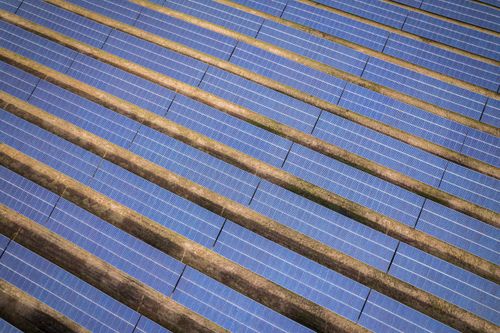
Understanding FRP Mounting Systems Karachi
FRP is a composite material made from reinforcing fibres held within a polymer resin. Pultruded channels, angles, tubes and beams can be assembled into columns, rails and braces for rooftop arrays.
The Federal Highway Administration describes FRP composites as lightweight, high-strength, chemical resistant and corrosion resistant. Its overview of composite structures also notes easier handling and prefabrication as practical advantages.
Those general benefits don’t make every profile suitable for every factory. Chemical-resistant solar mounting depends on resin type, fibre content, manufacturing quality, ultraviolet protection and connection design.
Resin Compatibility Matters
Polyester, vinyl ester and other resin systems can behave differently when exposed to acids, alkalis, solvents, heat and moisture. Buyers should provide the structure supplier with relevant chemicals, concentrations and expected temperatures.
A broad claim that FRP resists chemicals isn’t enough. Corrosion-resistant solar frames should be specified for the actual environment. A resin suitable for salt air may not perform the same way near concentrated solvent vapours or high-temperature exhaust.
Chemical-compatibility information should be provided for the proposed profile material. Procurement teams can then compare products using documented performance rather than relying on general claims about FRP.
Roof Loading and Structural Condition
Many Karachi plants operate from older buildings with sheet roofs, steel trusses or modified concrete slabs. Previous equipment additions, corrosion and repairs may have changed the roof’s available capacity.
The relatively low weight of FRP mounting systems Karachi can reduce added dead load and simplify handling where access is limited. Lower weight, however, doesn’t remove the need for structural calculations.
Engineers must still evaluate panel weight, wind uplift, frame height, support spacing and forces transferred into purlins, trusses or concrete anchors. The survey should also record damaged sheets, corroded members, blocked drains and existing leakage.
The main solar frame shouldn’t be attached only to thin roofing sheets. Loads must transfer into suitable structural members capable of carrying the complete system.
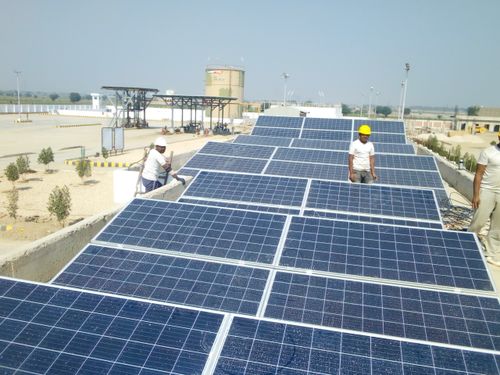
Wind Loads and Structural Height
Large industrial roofs can expose panels to strong uplift, especially near corners and edges. Elevated frames that create working or storage space underneath generally face greater wind demand than low-height arrays.
The Department of Energy states that photovoltaic arrays need stable and durable mounting capable of supporting modules and resisting wind, rain and corrosion over decades. Its solar photovoltaic design guidance shows why mounting shouldn’t be treated as a standard fabrication job.
Well-designed chemical plant solar structures require calculated profile sizes, braces, clamps, anchors and base plates. Increasing height or removing diagonal bracing after approval can change the structural load path and reduce overall stability.
Fasteners and Connections
FRP profiles don’t rust like ordinary carbon steel, but systems still use metallic bolts, clamps, plates and anchors. Unsuitable fittings may corrode even when the main profiles remain sound.
Effective chemical-resistant solar mounting must consider every connection. Buyers should request details about fastener grade, isolation between dissimilar metals, hole preparation, edge distances and tightening requirements.
Over-tightening can damage composite profiles, while poorly prepared holes may expose fibres or create local stress. Connections should follow the engineered design rather than general workshop practices.
The design should also prevent chemicals, moisture and debris from collecting around base plates or inside poorly drained sections.
Fire and Electrical Requirements
Chemical facilities may have stricter fire and emergency-access requirements than normal commercial buildings. Because FRP contains a polymer matrix, flame spread, smoke generation and heat behaviour depend on the resin and additives.
Procurement teams should request documented fire-performance data. No supplier should describe every FRP product as completely fireproof.
FRP’s non-conductive nature may be useful, but metallic panel frames and electrical equipment still require proper bonding, earthing and lightning-protection review. Selecting FRP doesn’t replace a complete electrical-safety design.
Layout Around Plant Operations
A layout for industrial rooftop solar Karachi should keep panels away from hot exhaust outlets, corrosive discharge points and areas requiring frequent process maintenance. It must preserve access to vents, scrubbers, cooling equipment, drains and emergency routes.
Solar rows shouldn’t block firefighting access, roof exits or maintenance routes. Technicians must be able to reach panels, clamps, cables and mounting bases without standing directly on modules.
Buyers should also consider future plant changes. New pipes, ducts or exhaust stacks may create shading, heat exposure or chemical contamination after installation.
Comparing FRP, Steel and Aluminium
Galvanised steel offers high stiffness, familiar fabrication and broad availability. It can perform well when coating quality and maintenance are controlled. Damaged galvanising, exposed welds and chemical deposits may still lead to corrosion.
Aluminium is lightweight and naturally corrosion resistant, although alloy selection, profile thickness and galvanic contact with other metals still matter.
FRP offers low weight, electrical insulation and resistance to conventional corrosion. However, corrosion-resistant solar frames should be compared as complete systems. Anchors, clamps, bases, fasteners and workmanship can determine actual service life.
No material is automatically the best option for every chemical plant. Selection should follow the roof survey, exposure assessment and structural calculations.
What Buyers Should Request
A serious quotation should identify:
- FRP resin and reinforcement type
- Profile sizes and wall thicknesses
- Chemical-compatibility information
- Ultraviolet and fire-performance data
- Structural loads and design assumptions
- Support spacing and bracing
- Bolt, clamp and anchor materials
- Roof-sealing responsibilities
- Installation scope and exclusions
- Inspection requirements and warranties
Plants reviewing FRP solar structure solutions should request a site survey, layout drawing and bill of materials before purchasing. Sharing chemical and operational details early helps the supplier prepare a more relevant proposal and gives buyers clearer grounds for comparison.
The quotation should also state whether panel mounting, lifting, roof repairs, waterproofing and electrical work are included. Clear exclusions prevent unexpected costs after approval.
Inspection and Lifecycle Cost
Initial price shouldn’t be the only measure. Buyers should also consider repainting, shutdown access, replacement parts, lifting equipment and inspection labour.
Properly selected industrial rooftop solar Karachi systems should be inspected periodically and after severe weather or major rooftop work. Teams should look for cracks, exposed fibres, impact damage, loose fittings, chemical deposits and movement around anchors.
Even chemical-resistant solar mounting isn’t maintenance-free. Drainage, roof interfaces, fasteners and cable supports still need attention. Any unusual vibration, panel movement or connection damage should be investigated promptly.
Final Thoughts
Selecting FRP mounting systems Karachi for a chemical facility requires more than choosing a rust-resistant material. Resin compatibility, roof capacity, fire behaviour, wind design and connection details must work together.
Well-planned chemical plant solar structures can protect modules, buildings and maintenance teams while reducing avoidable corrosion-related work. For buyers considering industrial rooftop solar Karachi, a site-specific engineering proposal is the strongest starting point.
The right corrosion-resistant solar frames should be supported by documented material data, structural calculations and a supplier that can explain every important design decision.
FAQs
1. Are FRP mounting systems suitable for all chemical plants in Karachi?
Not automatically. Suitability depends on the chemicals present, vapour concentration, operating temperature, roof condition, wind exposure and fire requirements. The selected resin and profile specification should match the actual plant environment.
2. Which FRP resin is best for chemical exposure?
There’s no single resin that performs best against every chemical. Polyester, vinyl ester and other resin systems offer different resistance levels. Buyers should compare manufacturer compatibility data with the acids, alkalis, solvents and temperatures present at the site.
3. Do FRP solar structures require maintenance?
Yes. FRP profiles don’t rust like ordinary steel, but bolts, clamps, anchors, joints, roof seals and cable supports still require regular inspection. Profiles should also be checked for cracks, impact damage, exposed fibres or movement.
4. Can FRP mounting systems support elevated solar structures?
Yes, provided the frame is properly engineered. Elevated structures face greater wind forces and may need larger profiles, stronger connections, additional bracing and reinforced anchors.