
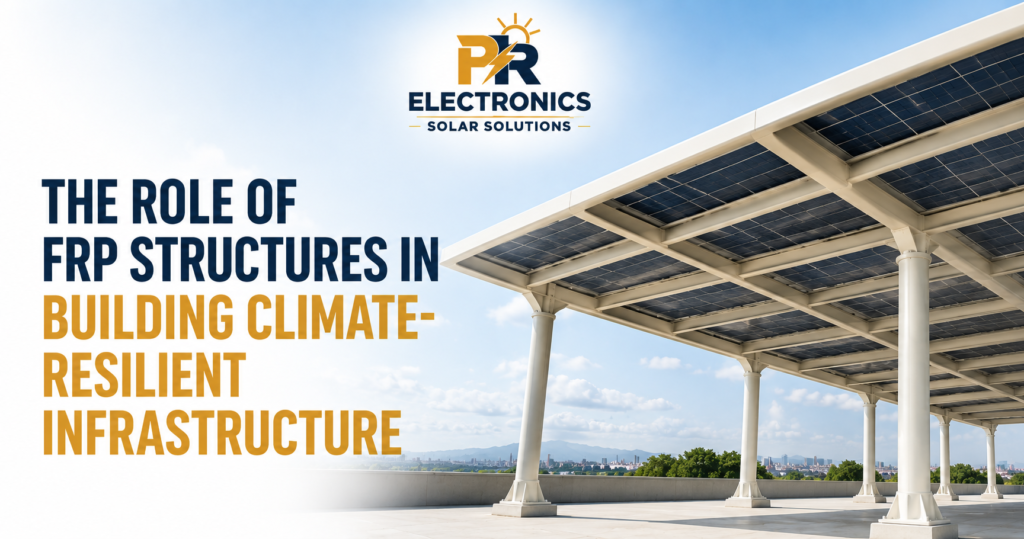
Infrastructure around the world is facing new challenges due to changing environmental conditions, increasing industrial demands, and the need for more sustainable development. Traditional construction materials have supported infrastructure growth for decades, but industries are now exploring advanced alternatives that can provide better performance in demanding environments.
This shift has increased interest in climate resilient FRP structures as organisations look for smarter ways to develop infrastructure that can perform reliably under changing conditions.
Fiber Reinforced Polymer (FRP) technology represents a new generation of structural solutions that combine engineering performance with material innovation. These structures are becoming increasingly relevant for industries seeking long-term value, improved efficiency, and sustainable approaches.
Table of Contents
Why Climate Resilience Matters in Modern Infrastructure
Infrastructure is expected to operate for many years while facing environmental pressures such as humidity, temperature changes, industrial exposure, and extreme weather conditions.
This has created demand for materials that can support stronger and more adaptable designs.
Climate resilient FRP structures provide an opportunity to rethink traditional structural approaches by using composite materials that offer unique engineering characteristics.
Modern infrastructure projects are increasingly focused on:
- Long-term reliability
- Sustainable material choices
- Efficient structural design
- Better project performance
The growing adoption of FRP structural solutions reflects a wider movement toward infrastructure that is designed for future challenges.
The Growing Importance of Advanced Composite Materials
Material innovation is becoming a major factor in infrastructure development.
Advanced composite materials are helping engineers create solutions that combine strength, flexibility, and design efficiency.
Unlike conventional materials, composites allow greater opportunities for specialised applications where traditional approaches may not always provide the ideal solution.
The development of advanced composite materials is supporting industries that require modern structural systems capable of meeting evolving performance expectations.
According to the National Renewable Energy Laboratory (NREL), advanced materials and innovative engineering approaches continue playing an important role in developing more efficient energy and infrastructure solutions.
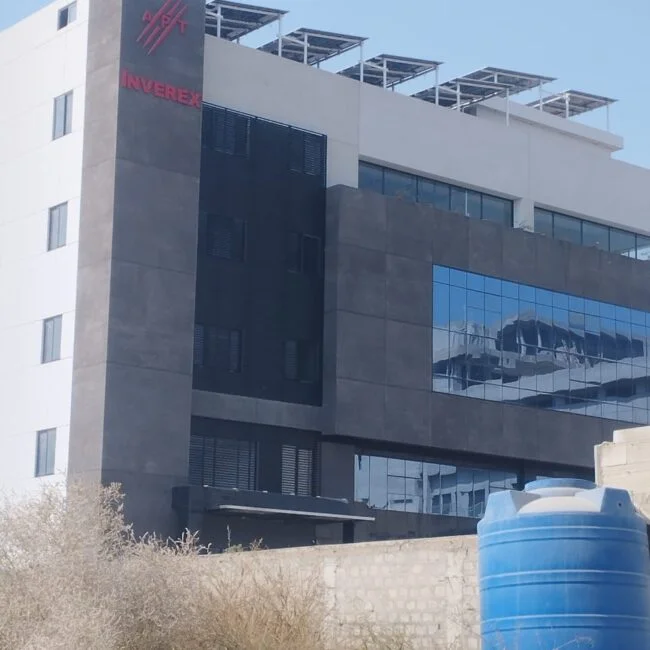
FRP Structures in Sustainable Infrastructure Development
Sustainability has become a major priority for governments, industries, and businesses worldwide.
Modern projects are increasingly considering environmental impact, material efficiency, and long-term operational value.
Sustainable infrastructure systems focus on creating structures that support economic development while reducing resource challenges.
FRP technology contributes to this movement by offering innovative structural possibilities for industries seeking more sustainable solutions.
The demand for sustainable infrastructure systems is increasing as organisations look for materials that support future-ready development.
Industrial Applications of FRP Technology
Industries require structural solutions that can adapt to different operating environments.
From renewable energy projects to industrial facilities, the need for efficient and reliable structures continues growing.
Industrial FRP applications are expanding because businesses are recognising the advantages of composite-based solutions.
These applications focus on areas where material performance, design flexibility, and long-term reliability are important considerations.
The growth of industrial FRP applications demonstrates how composite technology is becoming part of modern engineering strategies.
How PIR Electronics Supports Advanced FRP Structures
PIR Electronics provides FRP structural solutions designed for modern infrastructure requirements.
The company focuses on developing advanced FRP-based structures that support industries moving toward smarter and more sustainable solutions.
With growing demand for climate resilient FRP structures, businesses need structural partners who understand the importance of material selection, engineering quality, and application-specific design.
Through FRP structural solutions, advanced composite materials, sustainable infrastructure systems, and industrial FRP applications, PIR Electronics supports the transition toward stronger and more adaptable infrastructure.
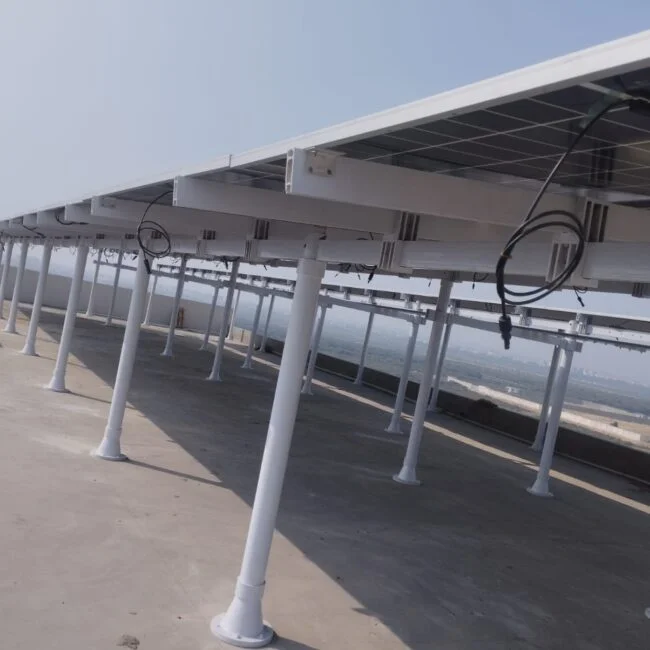
The Future of Climate-Ready Infrastructure
The future of infrastructure will depend on innovation, sustainability, and the ability to adapt to changing conditions.
Traditional materials will continue to have applications, but advanced solutions will become increasingly important as industries search for better performance and efficiency.
Climate resilient FRP structures represent a step toward infrastructure that is designed not only for today’s requirements but also for future challenges.
As businesses and industries invest in smarter development, FRP technology will continue contributing to the evolution of modern structural systems.
Final Thoughts
Infrastructure development is entering a new phase where sustainability and resilience are becoming essential priorities.
The adoption of climate resilient FRP structures reflects the growing need for advanced materials that can support future infrastructure demands.
By combining FRP structural solutions, advanced composite materials, sustainable infrastructure systems, and industrial FRP applications, industries can move toward stronger, smarter, and more adaptable structural solutions.
Frequently Asked Questions
What Are Climate Resilient FRP Structures?
Climate resilient FRP structures are composite-based structural solutions designed to support infrastructure needs in changing environmental conditions.
Why Are FRP Structural Solutions Becoming Popular?
FRP structural solutions are gaining attention because of their engineering flexibility, performance benefits, and suitability for modern applications.
What Are Advanced Composite Materials Used For?
Advanced composite materials are used in industries requiring innovative structural solutions with improved design possibilities.
Where Are Industrial FRP Applications Used?
Industrial FRP applications are used across sectors where reliable, efficient, and modern structural systems are required.