
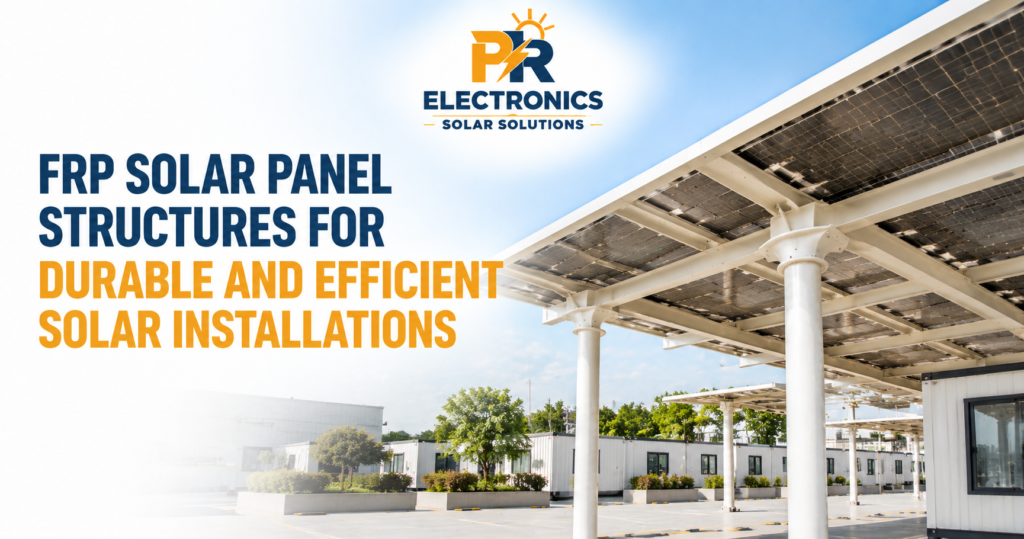
Modern infrastructure is changing as industries search for solutions that are faster, smarter, and more adaptable. Traditional construction approaches have supported development for decades, but changing business requirements are creating demand for flexible structural systems that can support evolving needs.
This shift has increased interest in FRP modular structures Karachi as industries explore advanced composite-based solutions for modern infrastructure development.
Modular infrastructure focuses on creating systems that are efficient, adaptable, and designed for changing requirements. FRP technology supports this approach by providing opportunities for innovative structural development across multiple applications.
The future of infrastructure will depend on materials and designs that allow businesses to respond quickly while maintaining quality and performance.
Table of Contents
The Growing Importance of Modular Infrastructure
Industries today require structures that can adapt to changing operational demands. Speed, efficiency, and flexibility have become important considerations in infrastructure planning.
Through modular FRP solutions, organisations can explore structural approaches that support modern development requirements.
Modular systems provide advantages such as:
- Flexible design possibilities
- Efficient project approaches
- Adaptable structural concepts
- Modern engineering opportunities
The growth of FRP modular structures Karachi reflects a wider movement toward infrastructure solutions that are designed with future requirements in mind.
According to the National Institute of Standards and Technology (NIST), advanced materials and innovative construction methods continue influencing the future of engineering and infrastructure development.
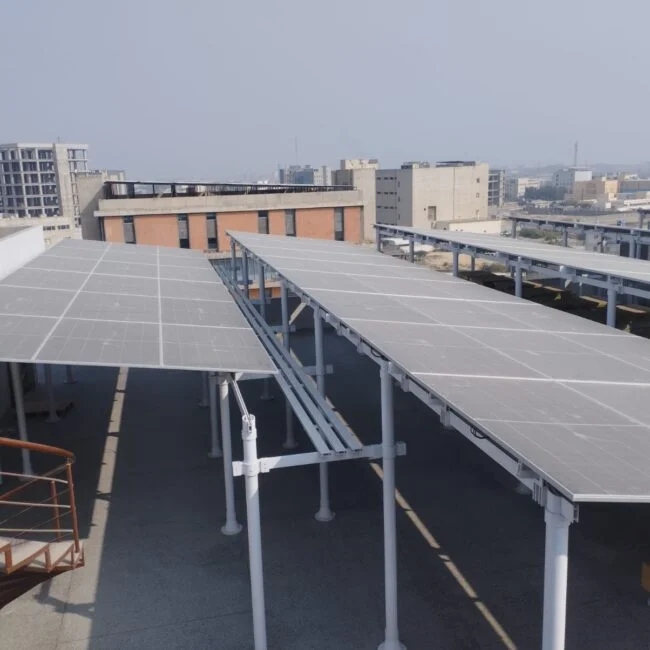
How FRP Technology Supports Modern Structural Design
Material innovation plays an important role in the evolution of infrastructure.
FRP technology combines fibre reinforcement with polymer materials to create solutions that support advanced engineering requirements.
Composite engineering technology is becoming increasingly valuable because it allows engineers to explore new approaches to structural design.
The use of composite engineering technology helps industries consider materials that provide flexibility, efficiency, and specialised performance characteristics.
As infrastructure demands continue changing, businesses are looking beyond conventional approaches and exploring smarter material solutions.
The Role of Advanced Structural Systems
Modern projects require structures that are designed around specific operational goals.
Advanced structural systems help industries develop solutions that align with changing requirements while supporting long-term value.
FRP-based approaches allow engineers to consider innovative structural possibilities that were previously difficult with traditional materials.
The adoption of advanced structural systems demonstrates how industries are moving toward more efficient and technology-focused infrastructure development.
These systems support the idea that future infrastructure must be adaptable, practical, and capable of meeting evolving challenges.
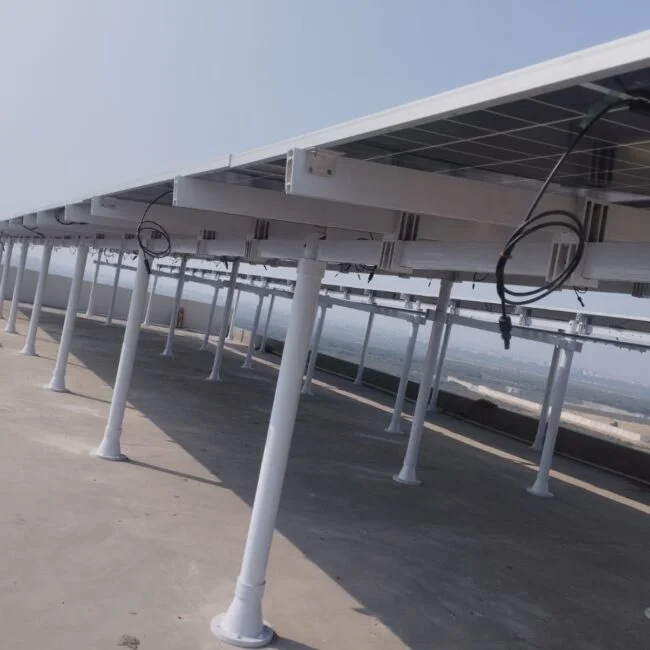
Supporting Future Infrastructure Development
The future of infrastructure is closely connected with innovation and sustainability.
Businesses are increasingly looking for future infrastructure solutions that provide long-term benefits while supporting modern operational needs.
FRP technology contributes to this direction by enabling industries to explore new structural possibilities.
Through future infrastructure solutions, organisations can create systems that support growth, flexibility, and improved efficiency.
The demand for innovative materials continues increasing as industries focus on creating infrastructure that can perform effectively in changing environments.
How PIR Electronics Supports Modular FRP Innovation
PIR Electronics provides advanced FRP structural solutions designed for modern industrial and renewable energy requirements.
The company focuses on creating structural approaches that combine engineering expertise, material innovation, and practical applications.
Through FRP modular structures Karachi, businesses can explore advanced infrastructure options that support future-focused development.
By combining modular FRP solutions, advanced structural systems, composite engineering technology, and future infrastructure solutions, PIR Electronics supports industries looking for innovative structural approaches.
The objective is to help businesses move toward smarter infrastructure choices that provide lasting value.
The Future of Modular FRP Structures
Infrastructure development is moving toward solutions that offer flexibility, efficiency, and adaptability.
The growing adoption of FRP modular structures Karachi shows how industries are embracing advanced materials to support future projects.
Modular approaches will continue becoming more important as businesses require infrastructure that can adapt to changing needs.
FRP technology represents a new direction in structural development where innovation and engineering work together to create better possibilities.
Final Thoughts
The future of infrastructure will depend on innovation, adaptability, and smarter material choices.
Through FRP modular structures Karachi, industries can explore modern structural solutions designed for changing requirements.
The combination of modular FRP solutions, advanced structural systems, composite engineering technology, and future infrastructure solutions represents a new approach toward infrastructure development.
As industries continue evolving, FRP technology will play an important role in creating flexible and future-ready structural solutions.
Frequently Asked Questions
What Are FRP Modular Structures?
FRP modular structures are advanced structural systems created using Fiber Reinforced Polymer materials with flexible design possibilities.
Why Are Modular FRP Solutions Becoming Popular?
Modular FRP solutions are gaining attention because they support adaptable designs and modern infrastructure requirements.
What Is Composite Engineering Technology?
Composite engineering technology involves using advanced materials to create structural solutions with improved design flexibility and performance.
How Do Future Infrastructure Solutions Help Industries?
Future infrastructure solutions help businesses develop adaptable systems that support changing operational and development needs.