
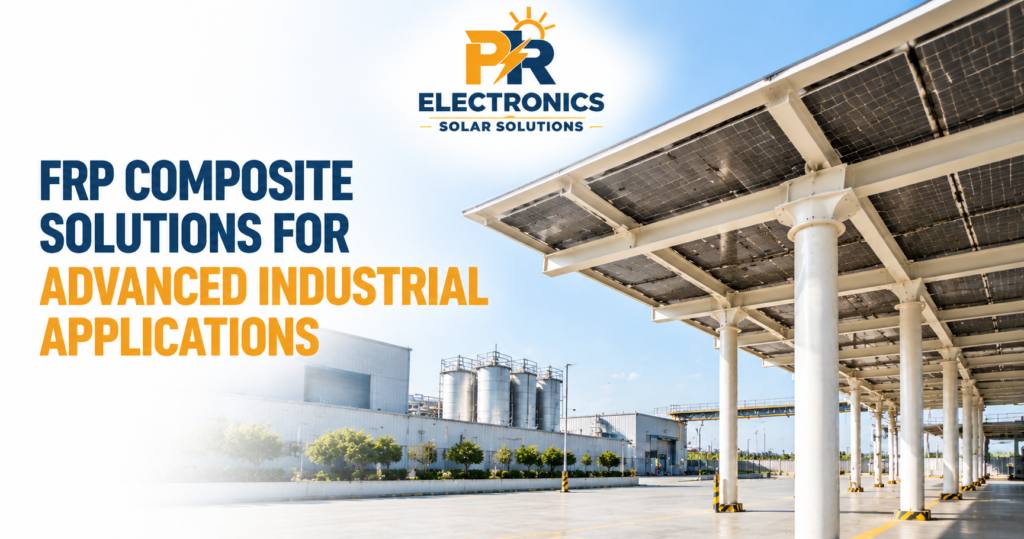
Industries today require materials that provide strength, flexibility, and long-term performance without adding unnecessary weight. FRP Composite Solutions have become an important choice for modern engineering applications because they combine advanced material properties with efficient design possibilities.
Unlike traditional materials, composite solutions offer unique advantages through their combination of fibers and polymer matrices. These characteristics make FRP Composite Solutions suitable for industries that require reliable performance, corrosion resistance, and innovative material approaches.
Organizations are increasingly exploring Fiber Reinforced Plastic Materials because they support advanced engineering concepts while reducing limitations associated with conventional materials. According to research from MarketsandMarkets, the global composite materials market continues to expand due to growing demand across construction, transportation, and industrial sectors.
Table of Contents
Advanced Applications of FRP Materials Across Industries
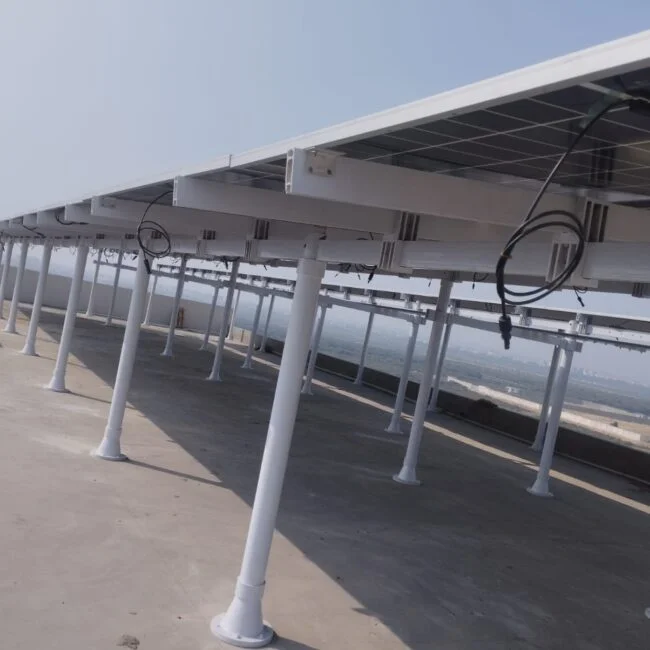
The use of FRP Structural Applications has expanded beyond traditional environments into specialized engineering projects. These applications include industrial frameworks, support structures, customized components, and advanced manufacturing solutions.
Modern engineers select Fiber Reinforced Plastic Materials because they provide excellent strength-to-weight ratios and can perform effectively in demanding environments. Their adaptability allows designers to develop solutions where durability and efficiency are equally important.
Through innovative FRP Composite Solutions, industries can achieve improved design flexibility while maintaining structural performance. Companies focusing on advanced composite engineering are helping businesses move toward smarter material selection strategies.
Why Industrial FRP Products Are Becoming More Important
The demand for Industrial FRP Products continues to increase as companies search for materials that support operational efficiency and long-term value. These products are designed for sectors where material reliability, lightweight construction, and resistance to environmental conditions are essential.
Modern Industrial FRP Products are used in various engineering environments because they provide dependable alternatives for applications requiring specialized material characteristics. The growth of composite adoption reflects a broader industrial movement toward high-performance materials.
Research published by The Composites United Association highlights the increasing importance of composite technologies in future industrial development and sustainable engineering strategies.
Designing Future-Ready Solutions Through Composite Engineering
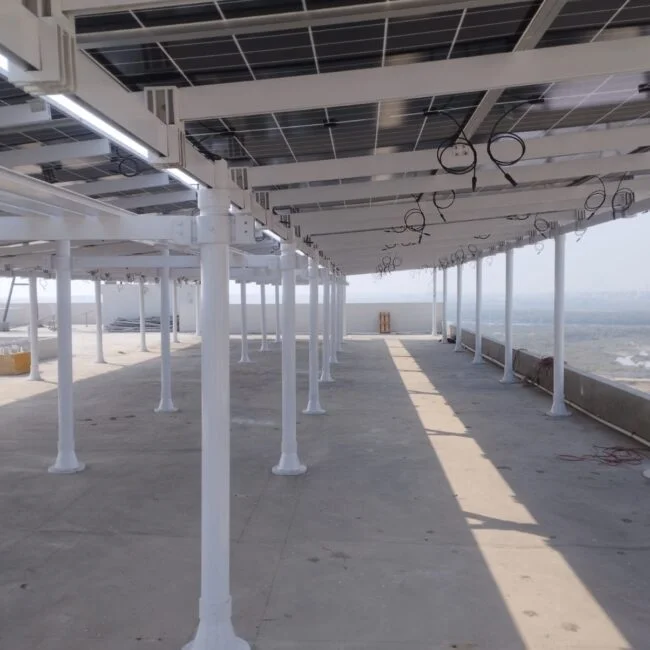
Advanced material engineering requires careful consideration of performance requirements, environmental conditions, and application goals. FRP Structural Applications support this approach by allowing engineers to create designs that balance strength, weight, and functionality.
The development of Fiber Reinforced Plastic Materials has transformed how industries approach product design. Instead of depending only on traditional materials, businesses can evaluate composite options that provide greater flexibility for specialized requirements.
With increasing demand for efficient infrastructure, FRP Composite Solutions continue to gain attention among engineers, manufacturers, and project developers. These solutions support modern industrial needs while creating opportunities for innovative applications.
Leading companies such as PIR Electronics contribute to this evolving industry by supporting businesses with advanced composite-based solutions designed around professional engineering requirements.
The Future Potential of FRP-Based Engineering Solutions
The future of Industrial FRP Products is connected with continuous innovation in material science and manufacturing techniques. As industries focus on performance improvement and resource efficiency, composite materials are expected to play a greater role.
From specialized components to advanced structural designs, FRP Structural Applications provide opportunities for industries to improve efficiency while maintaining reliable performance.
The expansion of composite technology shows how Fiber Reinforced Plastic Materials are becoming essential elements in modern engineering strategies. Through continued development, FRP Composite Solutions will remain an important part of future industrial advancement.
Conclusion
The growing adoption of composite technology highlights the importance of advanced materials in modern engineering. FRP Composite Solutions, FRP Structural Applications, Fiber Reinforced Plastic Materials, and Industrial FRP Products are helping industries develop efficient, durable, and innovative solutions for future challenges.
Frequently Asked Questions
What are FRP Composite Solutions used for?
FRP Composite Solutions are used in engineering applications where lightweight construction, durability, and high-performance materials are required.
Why are Fiber Reinforced Plastic Materials popular in industries?
Fiber Reinforced Plastic Materials are preferred because they offer strong performance, design flexibility, and resistance against challenging environmental conditions.
What are common FRP Structural Applications?
Common FRP Structural Applications include industrial frameworks, customized components, support systems, and specialized engineering projects.
Which industries use Industrial FRP Products?
Industrial FRP Products are used across manufacturing, construction, energy, transportation, and other sectors requiring advanced material solutions.