
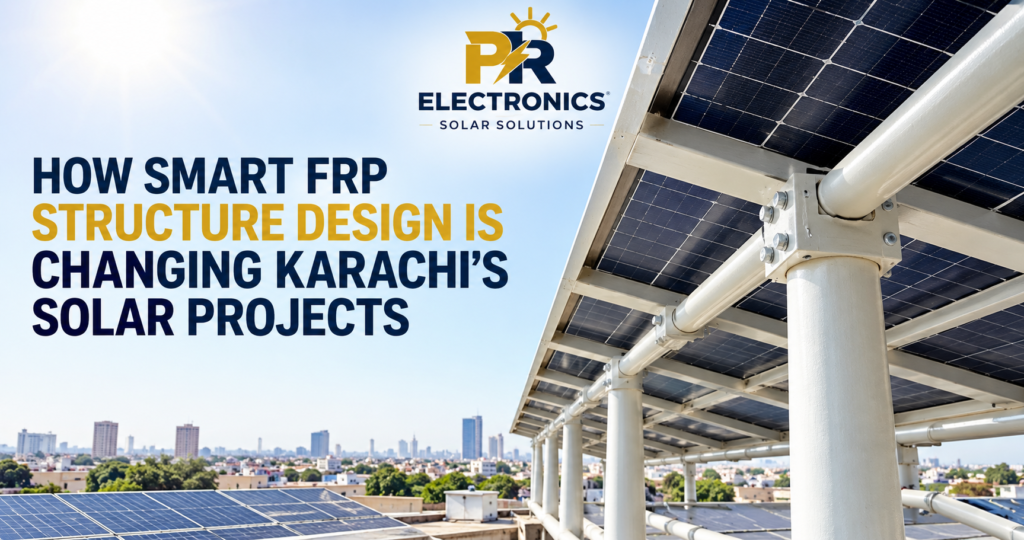
Why Karachi Needs Smarter Structural Materials
Karachi’s growing solar infrastructure is creating demand for structural systems that can combine strength, low weight, durability, and practical installation. This is where FRP structure design Karachi is becoming an important engineering conversation. Unlike conventional structural approaches, modern composite systems can be designed around specific load requirements while keeping the overall structure relatively lightweight.
The broader construction market also shows why advanced materials are attracting attention. Pakistan’s construction sector recorded 6.61% growth in FY2025, according to the Pakistan Economic Survey. Pakistan Economic Survey At the global level, construction and infrastructure applications of FRP were valued at about $28.44 billion in 2025, with a projected 4.9% CAGR through 2033.
These trends create room for FRP solar structures Karachi that are engineered specifically for modern rooftops and commercial installations.
Table of Contents
What Makes Modern FRP Structural Design Different
The value of FRP structure design Karachi isn’t simply about replacing one material with another. Good composite engineering begins with the project’s dimensions, expected loading, installation environment, structural geometry, and long-term performance requirements.
FRP can provide a useful strength-to-weight ratio, which makes lightweight FRP structures attractive where reducing unnecessary structural mass is important. Designers can develop profiles and assemblies according to the application instead of depending entirely on standardized heavy components.
This design flexibility is one reason FRP solar structures Karachi are gaining attention in discussions about next-generation solar infrastructure.
Lightweight Design for More Efficient Projects
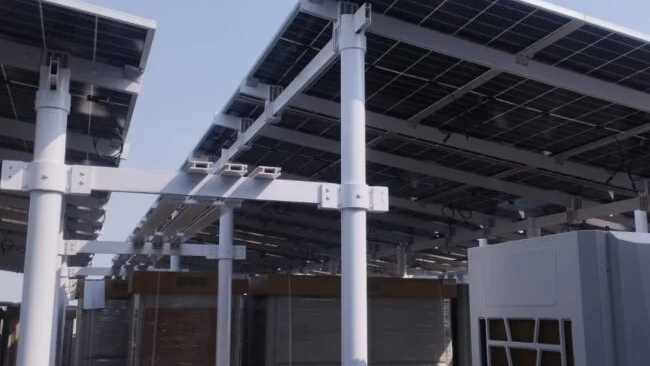
One of the strongest trends behind lightweight FRP structures is the industry’s growing focus on material efficiency. A lighter structural system can simplify transportation, handling, positioning, and installation planning.
For Karachi projects, FRP structure design Karachi can therefore be approached as a complete engineering exercise rather than a simple product-selection decision. Dimensions, profile geometry, support spacing, panel arrangement, and expected environmental exposure all need to work together.
The wider FRP composites market was valued at $102.61 billion in 2025 and is projected to reach $219.77 billion by 2034, according to recent market research. FRP composites market outlook That growth reflects increasing interest in advanced composite applications across several industries.
Where FRP Can Support Modern Solar Infrastructure
Modern FRP solar structures Karachi can be considered for rooftop solar layouts, commercial facilities, industrial properties, institutional buildings, and other applications where structural weight and long-term material performance matter.
The engineering advantage of lightweight FRP structures becomes particularly relevant when projects require practical movement of components during installation. FRP’s composite construction also allows designers to consider corrosion-resistant structural options for demanding environments.
For Karachi’s coastal setting, FRP structure design Karachi can therefore form part of a broader strategy for selecting materials according to environmental exposure rather than relying only on traditional construction habits.
Designing for Long-Term Structural Performance
A successful FRP structure design Karachi project requires more than choosing FRP profiles. Engineers should consider loading conditions, connection methods, support geometry, material specifications, installation tolerances, and inspection requirements.
Similarly, lightweight FRP structures should never be selected only because they’re lighter. Their structural capacity and application-specific requirements need to be established through proper engineering calculations and manufacturer specifications.
This approach makes FRP solar structures Karachi more than an emerging construction trend. They’re part of a wider movement toward engineered composite systems where performance, efficiency, and application-specific design are considered together.
Karachi’s Shift Toward Advanced Composite Structures
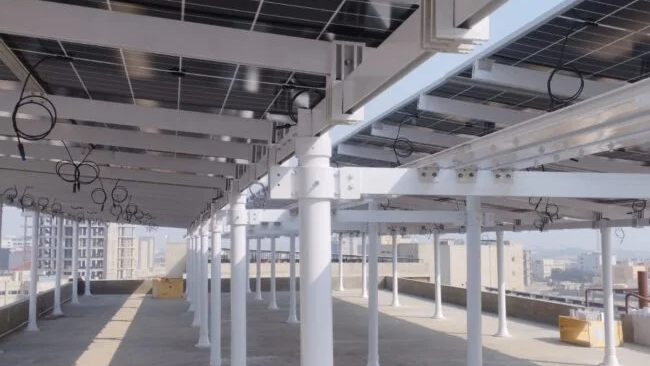
The growing use of FRP structure design Karachi reflects a wider change in how modern infrastructure is being planned. Construction and engineering markets are increasingly exploring materials that can provide useful performance without automatically increasing structural mass.
The Asia-Pacific region accounted for 45.79% of the global FRP composites market in 2025, highlighting the importance of the region in composite-material development and adoption.
For Karachi businesses, FRP solar structures Karachi can become part of this transition when projects require carefully engineered structural alternatives. The continued development of lightweight FRP structures also gives architects, contractors, and solar developers more options when planning future installations.
PIR Electronics provides FRP-based structural solutions in Karachi, with its work focused on composite solar-support applications.
Frequently Asked Questions
What is FRP structure design Karachi?
FRP structure design Karachi refers to engineering structural systems using Fiber Reinforced Polymer composites for applications suited to Karachi’s environmental and project requirements.
Why are lightweight FRP structures gaining attention?
Lightweight FRP structures can offer a useful combination of low structural weight, strength, design flexibility, and resistance to environmental conditions.
Where can FRP solar structures Karachi be used?
FRP solar structures Karachi can be considered for residential, commercial, industrial, and institutional solar installations where composite structural solutions are appropriate.
Does FRP require professional structural design?
Yes. FRP structure design Karachi should consider project-specific loads, dimensions, material specifications, connections, support arrangements, and installation requirements before construction.