
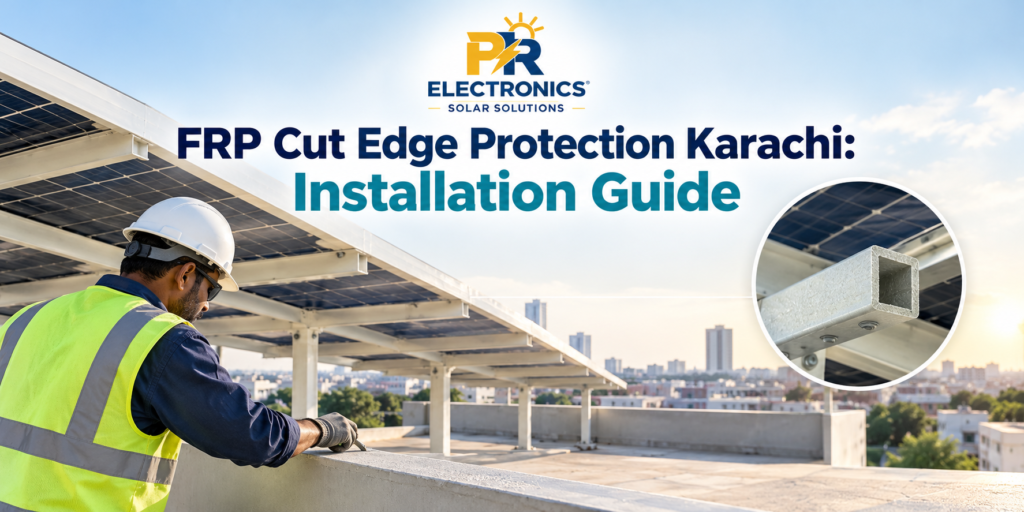
FRP solar structures require more than accurate measurements and careful assembly. The way installers cut, finish and protect composite profiles can influence the quality of the completed installation. For solar projects in Karachi, FRP Cut Edge Protection Karachi deserves attention because improperly finished edges can expose reinforcing fibres and compromise the intended surface protection.
Unlike ordinary metal sections, fibre-reinforced polymer profiles contain reinforcing fibres embedded in a resin matrix. Cutting these profiles requires suitable tools and controlled techniques. A clean finish helps installers prepare components correctly before assembling the solar structure.
Table of Contents
Why Cut Edge Protection Matters
Factory-manufactured FRP profiles have a defined surface finish. However, installers may need to shorten sections to suit project measurements and layout requirements.
Poor cutting can produce chipped edges, protruding fibres, rough surfaces and local damage. Research published in Composites Part A explains how machining can affect the surface integrity of fibre-reinforced composites, including fibre breakage and damage beneath the cut surface. FRP composite cutting research
For FRP Cut Edge Protection Karachi, the objective is to maintain the integrity of the profile while preparing it for installation. Installers should avoid assuming that every cut automatically produces a finished, protected edge.
Correct preparation also makes inspection easier and helps identify visible defects before a component becomes part of the completed structure.
Choosing the Right Cutting Method
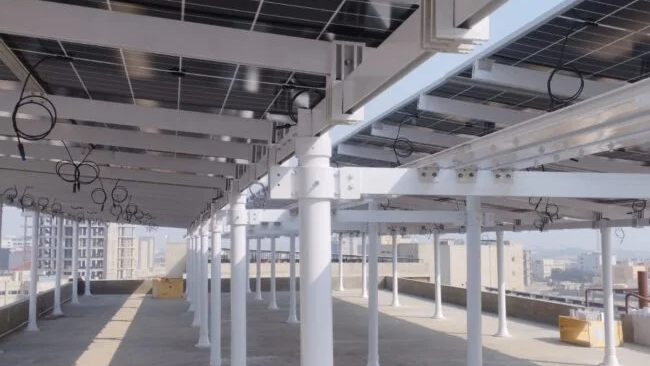
FRP Profile Cutting Karachi begins with selecting suitable equipment for the profile type, thickness and required cut.
Composite manufacturers recommend appropriate carbide or diamond-grit cutting tools for many pultruded profiles. Installers should follow the profile manufacturer’s instructions because tool selection and operating conditions can vary between products.
The workpiece should remain properly supported throughout cutting. Excessive vibration can cause chipping, while excessive cutting pressure may produce rough edges and unnecessary heat.
For FRP Profile Cutting Karachi, installers should measure twice, mark the intended cut clearly and secure the profile before operating the tool. They should also use suitable eye protection, respiratory protection and dust extraction because cutting composite materials can release fine particles and fibres.
A controlled cut reduces rework and gives the installer a better starting point for finishing.
Why Edge Sealing Deserves Attention
After cutting, the exposed cross-section may reveal reinforcing fibres and the internal composite structure. The appropriate finishing method depends on the product’s resin system and the manufacturer’s specifications.
FRP Edge Sealing Karachi involves applying a compatible protective treatment where the manufacturer requires it. The chosen product must suit the resin chemistry and intended outdoor environment.
Composite manufacturer Exel Composites recommends sealing cut edges and holes as part of its fabrication guidance. Its technical information also highlights the importance of supporting profiles during cutting to reduce chipping.
For FRP Edge Sealing Karachi, installers should not choose a sealant simply because it is readily available. They should confirm compatibility, surface preparation requirements and curing instructions before application.
Proper finishing can help preserve the intended protective surface, but it cannot repair significant structural damage caused by poor cutting.
Applying These Practices During Solar Installation
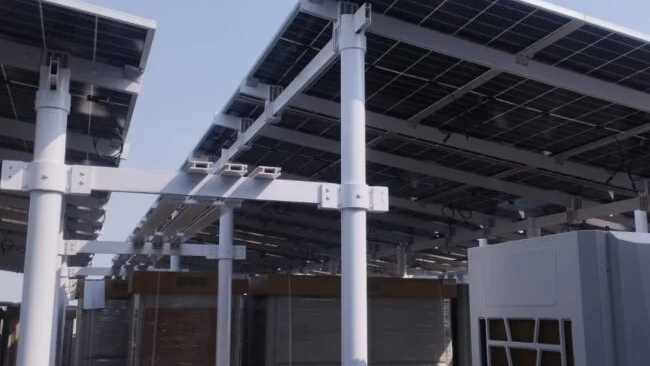
FRP Solar Installation Karachi projects benefit from a consistent preparation process. Before assembly, the installation team should check the cut length, inspect each edge and confirm that any required sealing has cured according to the product instructions.
The team should also keep finished profiles clean during transportation and storage. Dragging sections across rough surfaces can damage edges, while careless stacking may cause scratches or impact damage.
For FRP Solar Installation Karachi, these checks should form part of normal installation quality control rather than being left until the structure is complete.
The U.S. Department of Energy also emphasises correct installation practices, cable management and electrical safety when commissioning photovoltaic systems. Its guidance provides useful context for treating installation quality as a system-wide responsibility.
A Practical Quality Checklist
Before approving prepared profiles, installers should review FRP Cut Edge Protection Karachi requirements against the manufacturer’s instructions.
Check that each cut matches the approved dimensions and that no obvious cracks, excessive chipping or loose fibres remain. Confirm that the correct finishing product has been applied wherever specified.
For FRP Profile Cutting Karachi, consistent tool selection and handling procedures help reduce variation between components.
Likewise, FRP Edge Sealing Karachi should follow a documented process covering product compatibility, surface preparation and curing. These steps create a repeatable standard across the installation team.
During FRP Solar Installation Karachi, damaged profiles should be assessed before assembly instead of being concealed within the completed framework.
For project-specific guidance, PIR Electronics can help customers discuss FRP solar structures and the requirements of their proposed installation.
FAQs
1. Why should installers protect cut FRP edges?
Cutting can expose reinforcing fibres and create rough or damaged surfaces. Appropriate finishing helps preserve the intended surface protection and supports installation quality.
2. Which tools are suitable for FRP profile cutting?
Suitable carbide or diamond-grit tools are commonly used for pultruded FRP profiles. The correct choice depends on the material, profile dimensions and manufacturer’s recommendations.
3. Can any sealant be used on FRP profiles?
No. The sealant must be compatible with the profile’s resin system and intended environment. Always follow the manufacturer’s product specifications.
4. When should cut edges be inspected?
Inspect profiles immediately after cutting and again before assembly. If sealing is required, verify the finish and allow the product to cure according to its instructions.