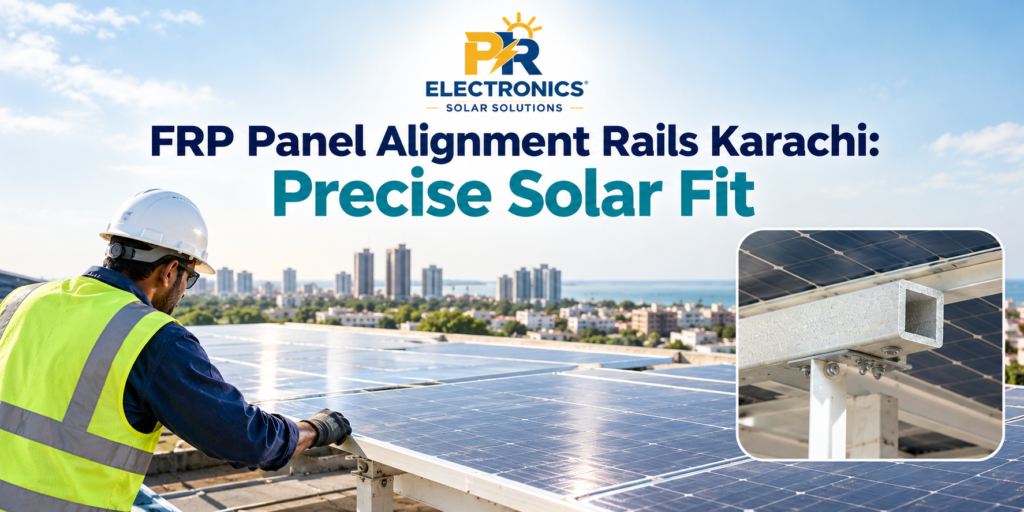
Solar installations need accurately positioned panels and supporting profiles that fit the selected module dimensions. In Karachi, FRP Panel Alignment Rails Karachi is a focused option for project developers exploring fibre-reinforced polymer profiles for solar panel mounting. Correct rail alignment helps installers maintain consistent module spacing, organise panel rows and create a neat, coordinated installation.
Table of Contents
Why Panel Alignment Matters in Solar Installation
Solar panels are installed in planned arrangements, and their supporting profiles must match the mounting design. Incorrect spacing or inconsistent positioning can complicate assembly and make future panel replacement more difficult.
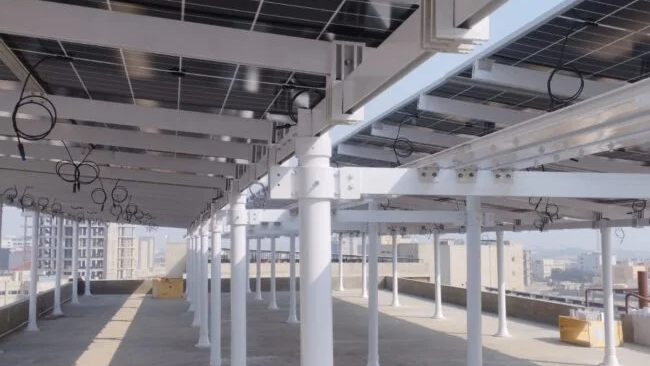
FRP Panel Alignment Rails Karachi can be specified for projects where engineered composite profiles suit the installation requirements. Properly designed FRP panel support channels provide a framework for positioning compatible mounting components according to project drawings.
For contractors planning solar rail installation Karachi, the important first step is confirming module dimensions, manufacturer-approved attachment points, rail spacing and the intended panel orientation. These details help ensure that the installation team works from one coordinated design rather than making adjustments during assembly.
Why Consider FRP Support Profiles?
Fibre-reinforced polymer, commonly known as FRP, combines reinforcing fibres with a polymer resin. Depending on its formulation, it can offer corrosion resistance, relatively low weight and useful electrical insulation properties.
A scientific review of pultruded FRP composites examines how environmental exposure influences their long-term mechanical performance. This highlights why product specifications matter when selecting materials for outdoor installations.
For suitable projects, FRP panel support channels can provide an alternative to conventional metal profiles. However, not every FRP section is designed for solar mounting. Its dimensions, material properties and connection details must be appropriate for the intended use.
As the solar industry expands, mounting components deserve greater attention. The IEA Photovoltaic Power Systems Programme’s 2026 market snapshot reports that approximately 698 GW of new solar photovoltaic capacity was installed globally during 2025. This international growth reinforces the importance of dependable installation systems and well-specified supporting components.
What to Check Before Ordering FRP Rails
Before selecting FRP Panel Alignment Rails Karachi, installers should prepare an accurate panel layout and confirm the required profile dimensions. The supporting sections should correspond with the selected modules and the mounting system approved for that project.
The specification for FRP panel support channels should identify the profile shape, dimensions, resin system, reinforcement, outdoor suitability and compatible connecting components. Buyers should also request technical drawings and product documentation instead of assuming all composite profiles perform identically.
The current IEC 62548-1 photovoltaic-array design standard provides relevant guidance for coordinating PV-array design and installation requirements. Contractors should use the applicable project requirements when specifying the overall mounting arrangement.
For solar rail installation Karachi, checking these details before fabrication helps reduce fitting discrepancies and unnecessary modifications on site.
Installation and Maintenance Considerations
A consistent installation sequence makes the work easier to inspect. Technicians should verify the supporting framework against approved drawings, position the rails accurately and confirm that compatible mounting components fit as specified.
FRP Panel Alignment Rails Karachi should be installed only after the design and material suitability have been established. The installer should check alignment across successive sections and document any discrepancy before securing the complete assembly.
During solar rail installation Karachi, keep installation records, product specifications and inspection notes together. These documents help maintenance teams identify the installed profile and source compatible replacement components when necessary.
The same principle applies to FRP panel support channels used in larger arrays. Periodic inspections should follow the manufacturer’s recommendations and focus on visible deterioration, alignment changes and the condition of accessible connections.
Choose an FRP Solution for Your Solar Project
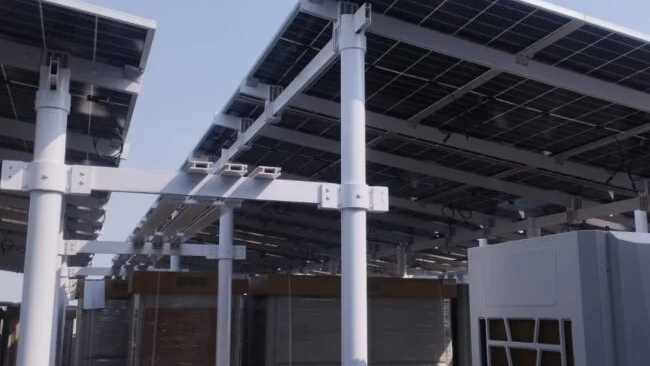
For Karachi’s commercial and industrial solar projects, suitable mounting components should be chosen according to the actual design rather than appearance alone. FRP Panel Alignment Rails Karachi offers a specialised topic for contractors considering composite profiles for accurate panel positioning.
Discuss your drawings, panel dimensions and project requirements with PIR Electronics to evaluate suitable FRP mounting options. The right FRP panel support channels depend on the product specifications and installation design, while successful solar rail installation Karachi requires coordinated planning, appropriate components and careful fitting.
FAQs
What are FRP panel alignment rails?
They are composite profiles that can be incorporated into a suitable solar mounting arrangement to help position compatible panels and supporting components accurately.
Can FRP profiles replace conventional metal solar rails?
Some FRP profiles can serve solar mounting applications when appropriately engineered. Compatibility must be verified against the panel manufacturer’s requirements and the project’s structural design.
What should be checked before installing FRP rails?
Confirm the profile dimensions, material specifications, panel layout, attachment compatibility, installation drawings and manufacturer guidance before proceeding.
Are FRP mounting profiles suitable for every solar project in Karachi?
No. Suitability depends on the profile’s documented properties, outdoor exposure, mounting configuration and project-specific engineering requirements.