
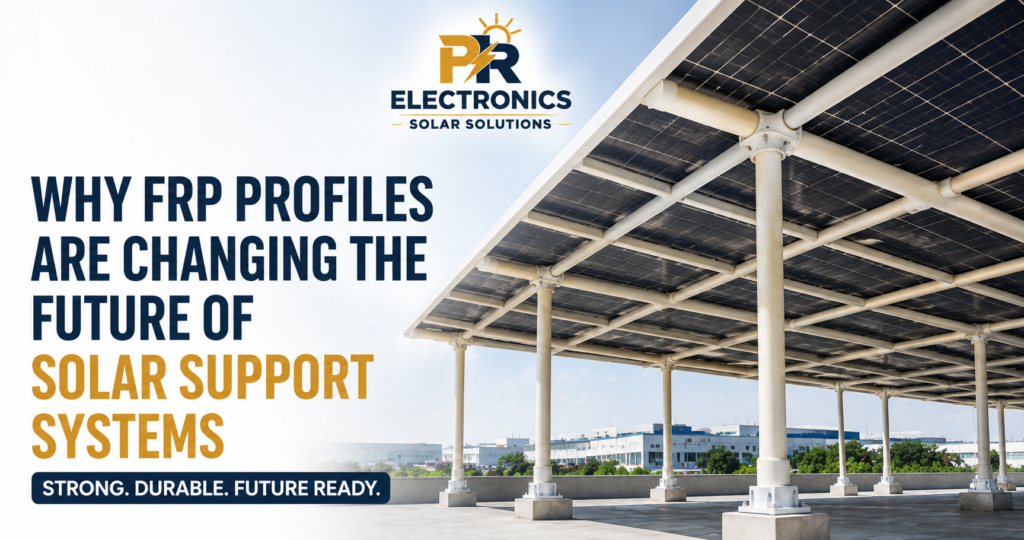
The growth of solar energy has created new demand for better structural solutions. While solar panels and electrical systems receive most of the attention, the materials supporting these systems play an equally important role in long-term performance.
Modern solar projects require structures that can provide strength, reliability, and efficiency while adapting to different environmental conditions.
This has increased interest in advanced composite materials, especially FRP profiles. The demand for FRP profiles Karachi reflects a growing shift toward innovative structural options that offer practical advantages for renewable energy applications.
Solar support systems are no longer limited to traditional material choices. Industries are exploring new technologies that can improve performance and create more efficient solutions.
Table of Contents
The Role of FRP Profiles in Modern Solar Applications
FRP profiles are manufactured using fibre-reinforced polymer technology, combining reinforcement fibres with polymer materials to create strong and durable components.
These profiles are designed to provide structural performance while maintaining design flexibility.
The growing adoption of FRP solar components is connected with the need for materials that support modern solar requirements.
Key characteristics include:
- High strength-to-weight performance
- Material flexibility
- Long service potential
- Resistance to environmental conditions
- Efficient structural design possibilities
The American Composites Manufacturers Association highlights the expanding use of composite materials across industries because of their performance advantages and design flexibility.
Moving Toward Composite Solar Materials
The renewable energy industry is continuously developing, and material selection has become a major part of project planning.
Composite solar materials represent a new approach where engineering performance and material efficiency are considered together.
Traditional materials have supported solar growth for many years, but changing project requirements are encouraging industries to explore alternatives.
Composite materials allow engineers to develop solutions that balance structural strength with practical benefits.
The increasing interest in FRP profiles shows how businesses are becoming more aware of advanced material options for renewable energy infrastructure.
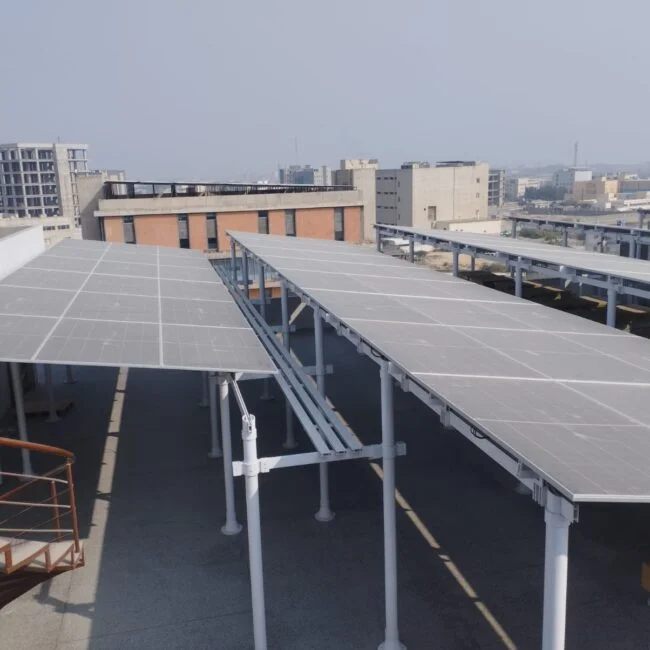
Why FRP Structural Systems Are Gaining Attention
Modern solar projects require structures that can perform consistently while supporting long-term energy investments.
FRP structural systems provide an alternative approach by combining advanced material technology with structural functionality.
These systems can be designed for applications where traditional materials may not always provide the ideal solution.
The advantages of FRP-based systems include:
- Modern engineering possibilities
- Reduced material limitations
- Flexible design approaches
- Improved application suitability
As solar adoption expands, the importance of selecting appropriate structural materials will continue increasing.
Innovation in Solar Mounting Design
The future of solar infrastructure depends on continuous improvement.
Solar mounting innovation is not only about improving panel technology. It also includes developing better ways to support and protect solar installations through smarter structural solutions.
Material innovation helps create more efficient designs by considering factors such as performance, durability, and project requirements.
The International Energy Agency (IEA) reports continued global growth in solar photovoltaic adoption, increasing the need for reliable infrastructure solutions that can support expanding renewable energy capacity.
As the industry grows, advanced materials will play a greater role in shaping future solar projects.
How PIR Electronics Supports FRP-Based Solar Solutions
PIR Electronics focuses on developing FRP-based solar structural solutions designed around modern renewable energy requirements.
The company works with advanced composite materials to provide structural options that support the changing needs of solar projects.
With increasing demand for FRP solar components and FRP structural systems, businesses are looking for solutions that combine engineering quality with material innovation.
PIR Electronics supports this transition by focusing on practical applications of FRP technology within the renewable energy sector.
The future of solar structures will depend on combining efficient energy generation with smarter material choices.
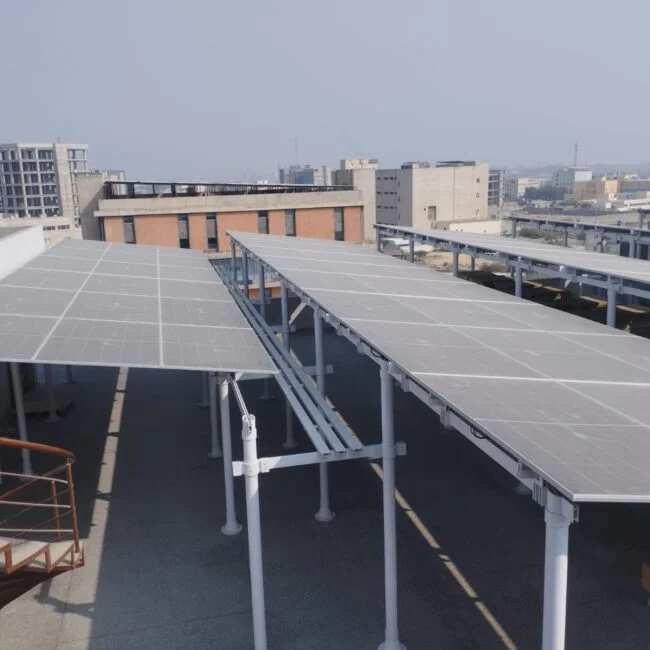
The Future of Composite Materials in Solar Energy
The solar industry is moving toward greater efficiency, improved design, and advanced engineering approaches.
The adoption of composite solar materials demonstrates how industries are exploring new ways to improve structural performance.
As demand for renewable energy continues growing, solar mounting innovation will become increasingly important.
Advanced materials such as FRP provide opportunities to rethink how solar support systems are designed and developed.
The continued growth of FRP profiles Karachi represents a wider movement toward smarter, more efficient structural solutions.
Final Thoughts
The future of solar energy depends not only on better panels but also on better supporting technologies.
FRP profiles Karachi represent a movement toward advanced structural solutions that combine innovation, engineering, and renewable energy needs.
Through FRP solar components, composite solar materials, FRP structural systems, and solar mounting innovation, the solar industry is moving toward more efficient and adaptable infrastructure.
As renewable energy continues expanding, choosing the right structural materials will remain a key factor in creating reliable solar solutions for the future.
Frequently Asked Questions
What Are FRP Profiles?
FRP profiles are structural components made from fibre-reinforced polymer materials designed to provide strength and flexibility.
Why Are FRP Solar Components Used in Renewable Energy Projects?
FRP solar components are used because they offer advanced material properties suitable for modern solar applications.
What Makes FRP Structural Systems Different?
FRP structural systems use composite technology to provide alternative solutions compared with traditional structural materials.