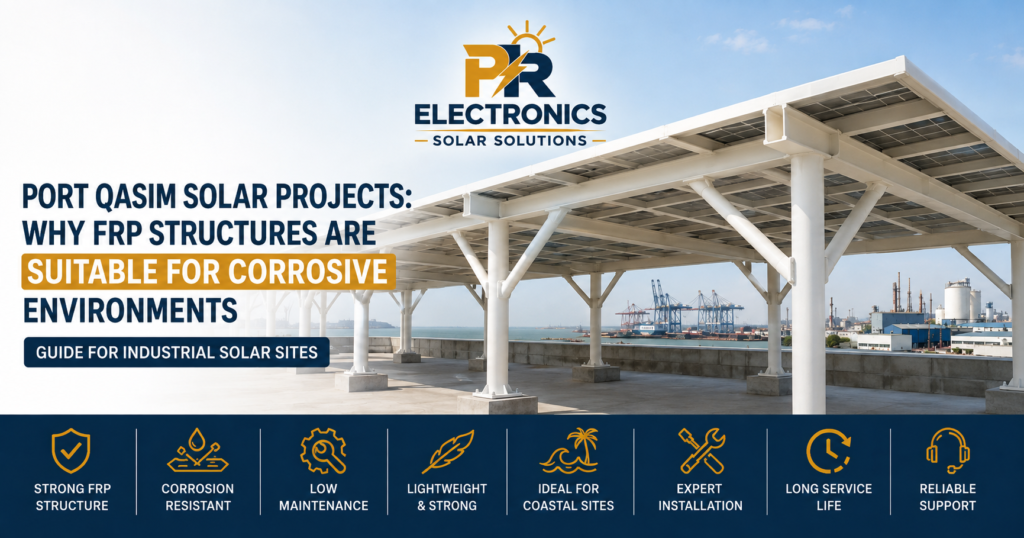
Port Qasim is one of Pakistan’s most important industrial and commercial zones, supporting industries such as manufacturing, logistics, energy, chemicals, and export-related businesses. With increasing electricity costs and growing interest in renewable energy, many industrial facilities in the area are adopting solar power solutions.
However, solar projects located near industrial ports face unique environmental challenges. High humidity, salt exposure, chemicals, and coastal conditions can affect traditional materials over time.
This is why FRP solar structures Port Qasim projects are gaining attention as a practical option for businesses looking for durable and reliable mounting solutions.
The supporting structure of a solar system plays a critical role in protecting panels and maintaining long-term performance. Choosing the right material becomes especially important in corrosive environments where conventional structures may require frequent maintenance.
Table of Contents
Why Port Qasim Requires Special Solar Structure Planning
Industrial areas near coastal locations experience conditions that are different from inland environments.
Port Qasim’s surroundings expose infrastructure to:
- High humidity
- Salt particles from coastal air
- Industrial emissions
- Temperature changes
- Chemical exposure
These factors can accelerate corrosion in traditional metal structures if protective measures are not properly maintained.
For industrial solar installations, corrosion resistant solar structures can help reduce maintenance concerns and provide better durability in challenging environments.
The National Renewable Energy Laboratory (NREL) highlights that photovoltaic system reliability depends not only on solar technology but also on proper system design, installation, and long-term operation.
What Are FRP Solar Structures?
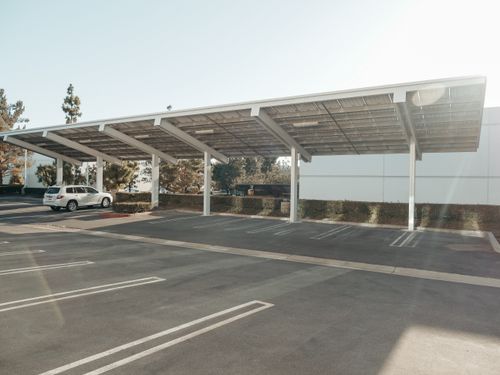
FRP stands for Fiber Reinforced Polymer. It is a composite material made by combining strong fibres with polymer resin to create a lightweight and durable structural solution.
Unlike conventional steel, FRP does not experience corrosion through the same process as metals.
This makes FRP solar mounting systems suitable for locations where moisture, chemicals, and environmental exposure create challenges.
Key characteristics of FRP include:
- Corrosion resistance
- Lightweight construction
- Electrical non-conductivity
- Low maintenance requirements
- Long service potential
However, proper engineering remains essential. Material quality, structural design, connection methods, and load requirements must all be evaluated before selecting any solar structure.
Benefits of FRP Structures for Port Qasim Solar Projects
Better Resistance Against Corrosion
The biggest advantage of corrosion resistant solar structures is their ability to perform in environments where metal corrosion is a concern.
Traditional steel structures can require protective coatings, inspections, and maintenance to prevent rust-related damage.
FRP structures provide an alternative approach by naturally resisting many corrosive factors.
For Port Qasim industrial facilities, this can be valuable because reducing maintenance requirements helps businesses focus on their core operations.
Lightweight Design for Industrial Applications
Many industrial facilities require solar solutions that balance strength with practical installation requirements.
FRP materials are lightweight compared with many traditional structural materials.
This can make transportation and installation easier while reducing additional structural loading in certain applications.
Modern FRP solar mounting systems can support solar panels while offering advantages in projects where weight management is an important consideration.
Reduced Maintenance Requirements
Industrial sites often have limited time for maintenance activities.
A solar structure requiring frequent repairs can increase operational costs and create unnecessary interruptions.
Using solar structure solutions designed for harsh environments can support better long-term reliability.
Although every solar structure requires inspection, corrosion-resistant materials can reduce some common maintenance challenges.
FRP Structures for Industrial Solar Installations
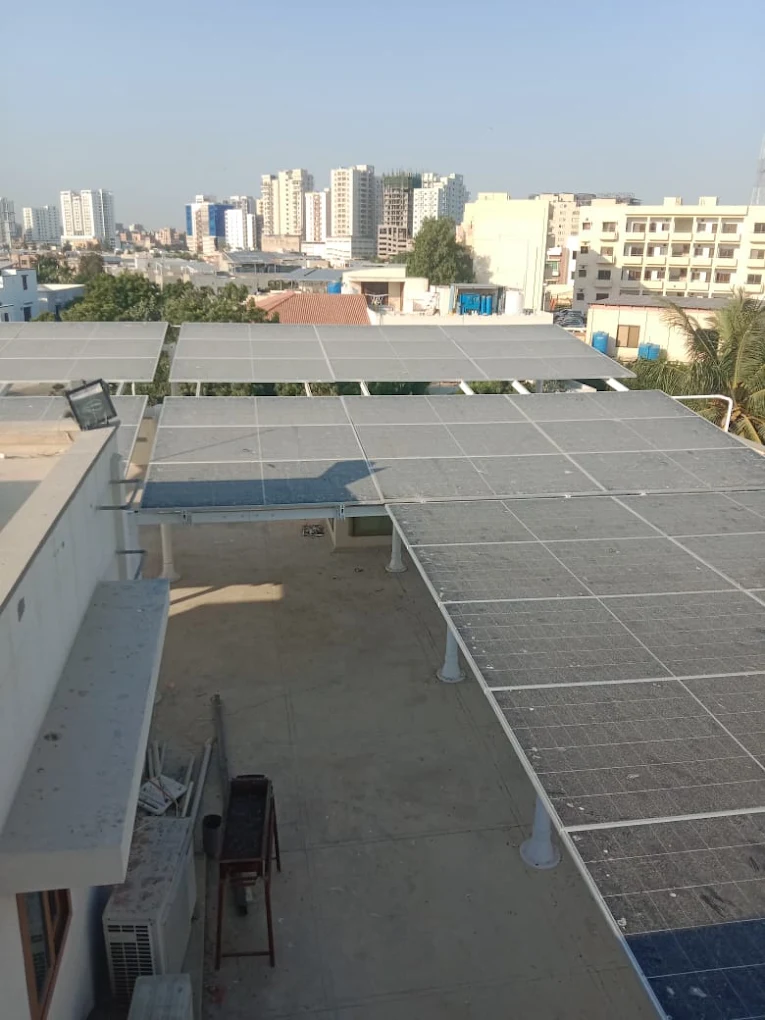
Industrial facilities require stronger planning compared with smaller residential systems.
Large solar projects must consider:
- Wind loads
- Panel arrangement
- Equipment access
- Safety requirements
- Future maintenance
For companies operating in Port Qasim, selecting suitable industrial solar structures Karachi solutions can influence the overall success of the solar investment.
The right structure should support panels safely while matching the environmental conditions of the location.
The International Energy Agency (IEA) reports continued global growth in renewable energy adoption, increasing the importance of reliable infrastructure that can support long-term solar deployment.
Why Material Selection Matters in Solar Projects
Many solar decisions focus mainly on panel efficiency and inverter selection. However, the structure supporting these components deserves equal attention.
A weak or unsuitable mounting system can affect:
- Panel safety
- System lifespan
- Maintenance requirements
- Overall project reliability
Choosing professional solar structure solutions allows businesses to evaluate their specific site conditions before installation.
For industrial areas, the cheapest initial option may not always provide the best long-term value.
A durable structure can help protect the complete solar investment.
How PIR Electronics Supports Industrial Solar Structures
PIR Electronics provides solar structure solutions, including FRP-based mounting options, structure installation, and project support for commercial and industrial applications.
The company focuses on understanding project requirements, environmental conditions, and installation challenges before recommending suitable solutions.
For businesses planning FRP solar structures Port Qasim projects, proper assessment of location, material requirements, and structural needs is essential.
A successful industrial solar project requires more than installing panels. It requires a foundation designed for the environment where the system will operate.
Final Thoughts
Solar projects in Port Qasim require careful consideration because industrial and coastal environments create additional challenges.
Through FRP solar structures Port Qasim solutions, businesses can explore durable mounting options designed for corrosive conditions.
The combination of corrosion resistant solar structures, reliable FRP solar mounting systems, suitable industrial solar structures Karachi, and professionally planned solar structure solutions can help protect solar investments for the long term.
For industrial facilities, selecting the right solar structure is not only about supporting panels. It is about creating a reliable foundation for decades of clean energy generation.
FAQs
Why Are FRP Structures Suitable for Port Qasim Solar Projects?
FRP structures are suitable because they offer corrosion resistance and can perform well in environments exposed to humidity, salt, and industrial conditions.
Do FRP Solar Structures Require Maintenance?
All solar structures require inspection, but FRP structures can reduce corrosion-related maintenance compared with traditional materials.
Are FRP Solar Mounting Systems Strong Enough for Industrial Projects?
Yes, properly designed FRP solar mounting systems can support industrial applications when engineering requirements and load calculations are considered.
Can FRP Structures Be Used for Large Solar Projects?
Yes, FRP structures can be considered for commercial and industrial solar projects where suitable design and installation planning are followed.