
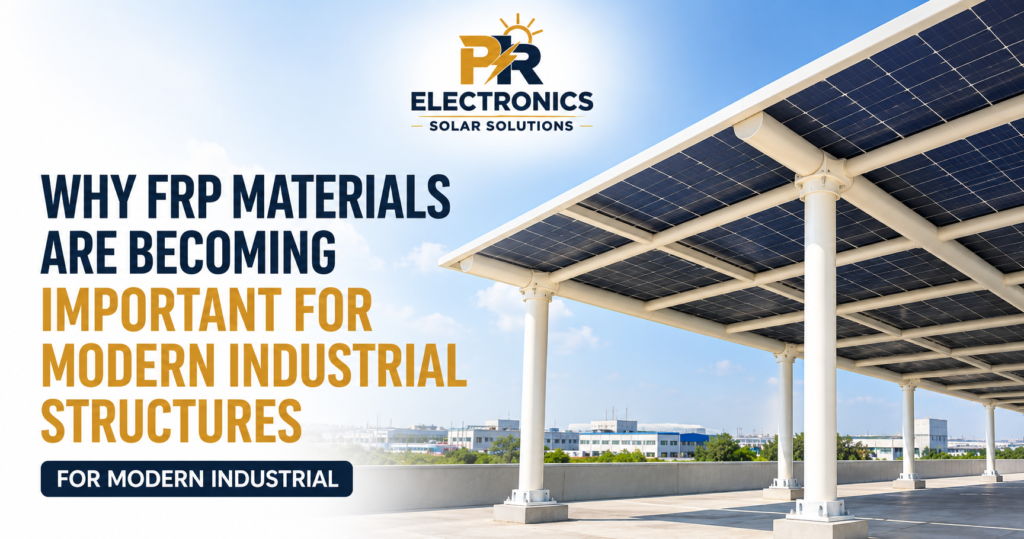
Material selection plays a major role in determining the strength, durability, and long-term performance of industrial structures. As industries continue searching for better solutions, advanced materials are becoming more popular because they offer advantages beyond traditional options.
Fiber Reinforced Polymer (FRP) has gained attention because of its combination of strength, lightweight design, and resistance to environmental conditions.
The increasing demand for FRP structures in Karachi reflects a shift toward materials that can provide reliable performance while reducing challenges associated with conventional construction materials.
Modern industries require structures that are not only strong but also practical, durable, and suitable for changing environmental conditions.
Table of Contents
Understanding the Value of FRP Materials
FRP combines reinforcing fibres with polymer materials to create a structure that offers high strength while maintaining lower weight compared with many traditional materials.
One of the key FRP material benefits is its ability to perform in environments where corrosion and chemical exposure may affect conventional materials.
FRP materials are known for:
- High strength-to-weight ratio
- Corrosion resistance
- Long service life
- Low electrical conductivity
- Flexible design possibilities
These characteristics make FRP suitable for various industries where material performance is an important consideration.
The National Institute of Standards and Technology (NIST) highlights the importance of advanced materials research in improving performance, durability, and efficiency across different industries.
Why Corrosion Resistance Matters
Environmental exposure can significantly affect the lifespan of structural materials.
Moisture, chemicals, humidity, and industrial conditions may gradually reduce the performance of traditional materials if protection is not maintained.
This is why corrosion resistant structures are becoming increasingly valuable for industries looking for long-term reliability.
FRP does not experience corrosion in the same way as conventional steel because its composition does not depend on metal oxidation.
This property makes FRP structures in Karachi a suitable option for applications where durability and resistance to environmental factors are important.
The Importance of Lightweight Structural Solutions
Weight is an important factor in many modern projects.
Heavy materials can increase transportation challenges, structural load requirements, and installation complexity.
One of the major lightweight FRP solutions advantages is reducing overall structural weight while maintaining strong performance.
Lower weight can provide benefits such as:
- Easier handling
- Efficient transportation
- Reduced structural stress
- Greater design flexibility
However, lightweight does not mean reduced strength. Proper engineering ensures that FRP systems provide the required performance for their intended application.
Growing Industrial Applications of FRP
Industries are continuously exploring materials that can improve efficiency and reduce long-term costs.
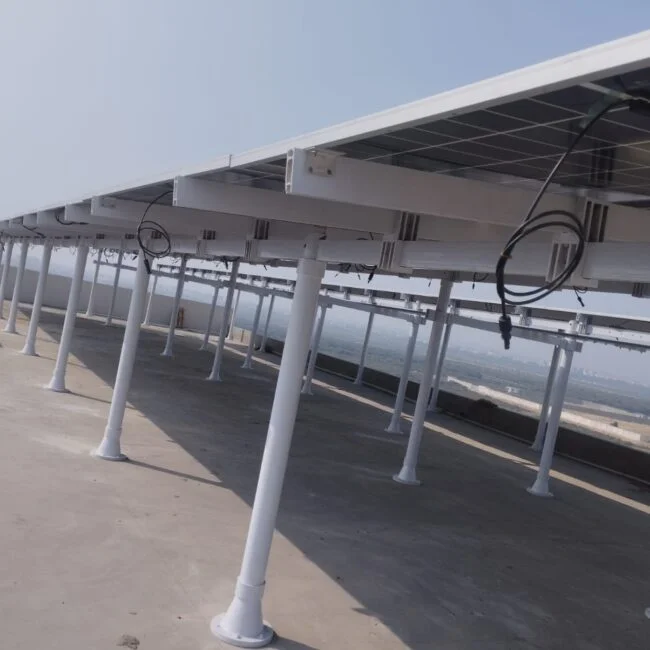
This has increased interest in industrial FRP applications across multiple sectors.
FRP can be considered for applications where businesses require:
- Durable structural components
- Non-corrosive materials
- Lightweight designs
- Long-term performance
The Composites United Association highlights the growing importance of composite materials and their expanding use across different industries.
As technology develops, FRP continues creating new possibilities for modern structural solutions.
How PIR Electronics Supports FRP-Based Solutions
PIR Electronics provides FRP-based structural solutions designed around durability, material performance, and practical project requirements.
The company focuses on helping customers explore suitable structural options where lightweight design and environmental resistance are important factors.
The growing adoption of FRP structures in Karachi demonstrates how businesses are becoming more focused on selecting materials that provide long-term value.
By combining FRP material benefits, corrosion resistant structures, lightweight FRP solutions, and industrial FRP applications, organisations can create stronger and more efficient structural systems.
The future of industrial design will increasingly depend on choosing materials that balance strength, performance, and sustainability.
Why Businesses Are Moving Toward Advanced Materials
Traditional materials continue to play an important role, but industries now require solutions that can perform under more demanding conditions.
Advanced materials like FRP provide alternatives that support modern requirements.
The demand for corrosion resistant structures continues to increase because businesses want solutions that reduce material limitations and improve durability.
Similarly, lightweight FRP solutions are becoming valuable because they support efficient design without compromising structural performance.
As industries continue evolving, industrial FRP applications will expand into new areas where reliable and innovative materials are needed.
Final Thoughts
The future of structural design is moving toward materials that provide better performance, efficiency, and durability.
FRP structures in Karachi represent this shift by offering modern solutions that combine strength with lightweight advantages.
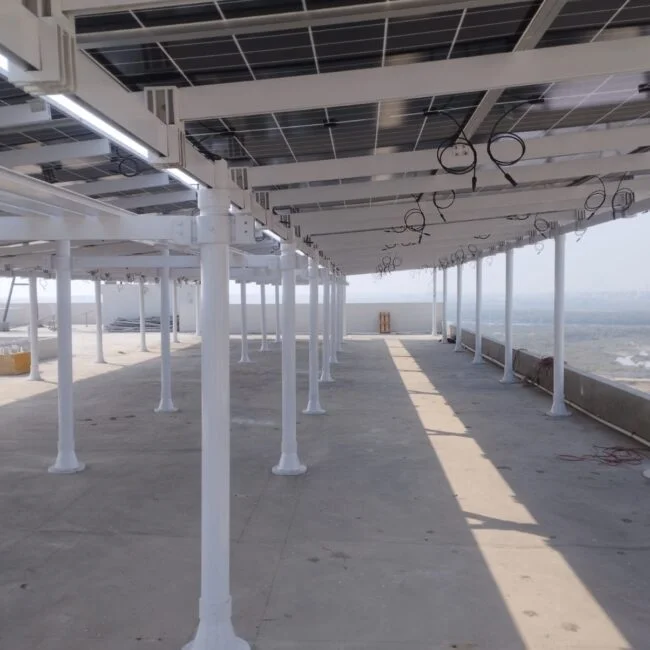
With growing demand for FRP material benefits, corrosion resistant structures, lightweight FRP solutions, and industrial FRP applications, businesses are exploring new ways to improve structural performance.
Choosing the right material is not only about meeting today’s requirements. It is about creating solutions that continue delivering value for years ahead.
Frequently Asked Questions
What Are FRP Structures?
FRP structures are structural systems made from Fiber Reinforced Polymer materials that combine strength, durability, and lightweight characteristics.
Why Are Corrosion Resistant Structures Important?
They help improve durability in environments where moisture, chemicals, or other conditions may affect traditional materials.
What Are the Main FRP Material Benefits?
The main benefits include lightweight design, corrosion resistance, strength, and long-term performance.
Where Are Industrial FRP Applications Used?
Industrial FRP applications can be used in areas requiring durable, lightweight, and environmentally resistant structural solutions.