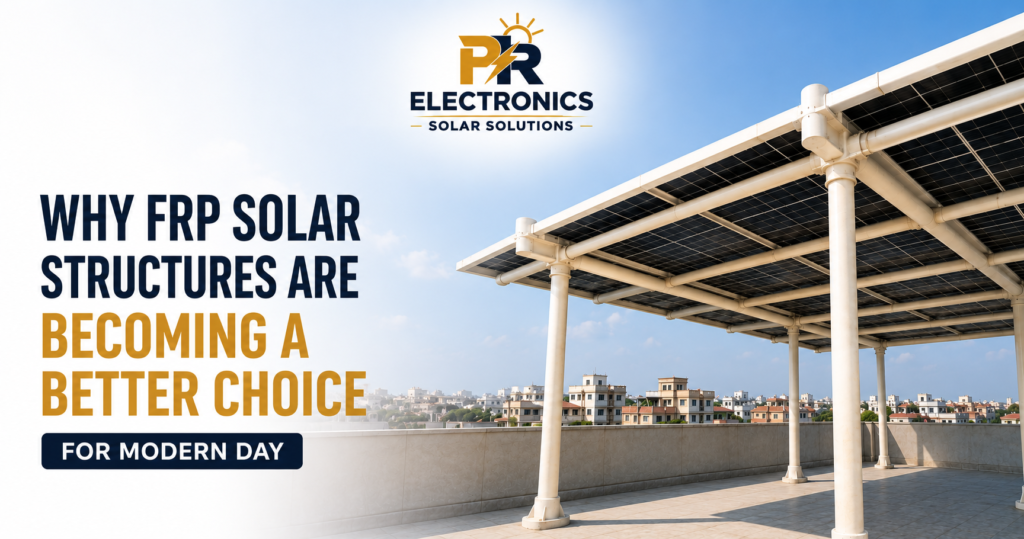
Solar energy adoption is increasing across residential, commercial, and industrial sectors. While solar panels and inverters receive most of the attention, the structure supporting the complete system plays an equally important role.
A solar structure must provide stability, safety, and long-term durability under changing environmental conditions. Traditional metal structures have been widely used for years, but new materials are creating better options for specific applications.
Among these alternatives, FRP structures Karachi projects are gaining attention because of their lightweight design, corrosion resistance, and long service life.
FRP, or Fiber Reinforced Polymer, combines strong fibres with a durable polymer material to create a structure that can handle demanding conditions while reducing maintenance requirements.
Table of Contents
What Makes FRP Different From Traditional Solar Structures?
Traditional solar mounting structures are commonly made from steel or aluminium. These materials can perform well, but environmental exposure can create challenges over time.
Humidity, chemicals, dust, and temperature changes may affect metal components if protective coatings become damaged.
On the other hand, corrosion resistant solar structures made from FRP provide an alternative where reducing corrosion risk is a priority.
FRP materials do not rust like conventional steel because they do not undergo the same oxidation process. This makes them suitable for locations where moisture and environmental exposure may shorten the lifespan of traditional materials.
The National Renewable Energy Laboratory highlights that photovoltaic system reliability depends not only on panels but also on proper system design, installation, and long-term maintenance practices.
Why Lightweight Design Matters in Solar Projects
Weight is an important factor when designing solar mounting systems.
Some rooftops and structures have limitations regarding additional load. In these situations, reducing unnecessary weight can simplify installation while maintaining structural reliability.
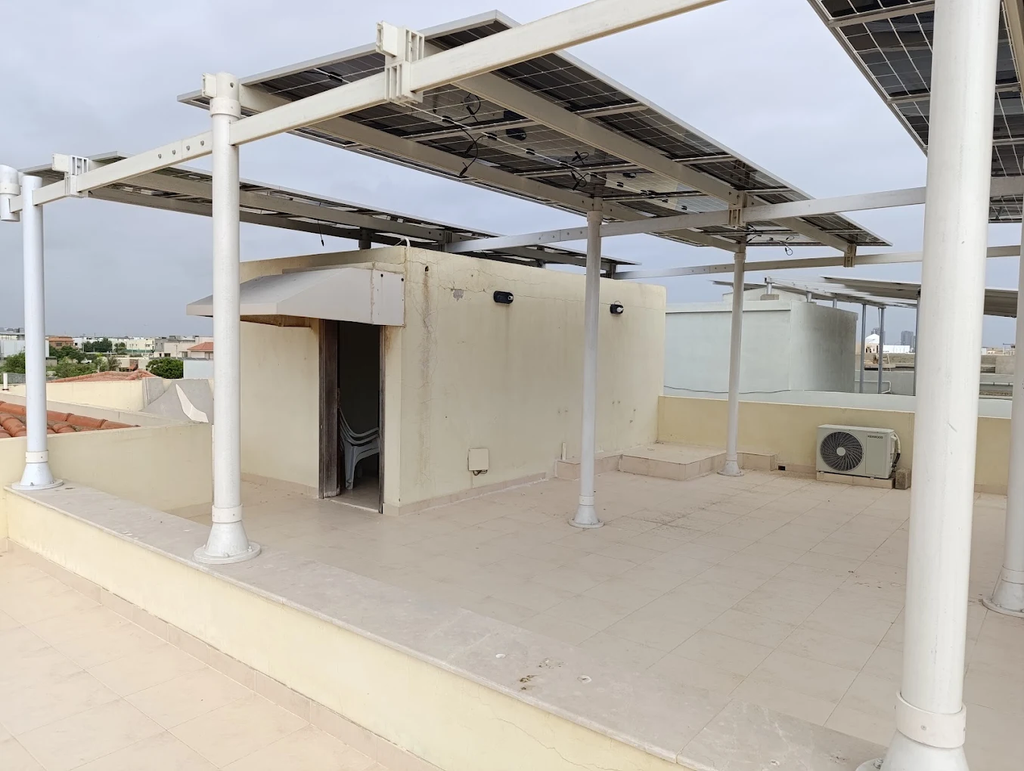
Lightweight solar structures provide advantages such as easier transportation, faster installation, and reduced load requirements.
However, lightweight does not mean weak. Properly engineered FRP systems are designed to provide strength while maintaining lower overall weight compared with many traditional materials.
For solar projects where accessibility, installation speed, or structural limitations are important, FRP solar mounting systems can provide a practical solution.
FRP Performance in Challenging Environments
Solar structures are exposed to outdoor conditions for decades. Therefore, material selection is one of the most important decisions during project planning.
Environmental factors that can affect structures include:
- Humidity
- Temperature changes
- Chemical exposure
- Dust accumulation
- Weather conditions
Using corrosion resistant solar structures can help reduce maintenance concerns in areas where environmental exposure is higher.
The U.S. Department of Energy explains that solar installations require careful consideration of structural support, environmental conditions, and long-term system performance.
This approach helps ensure that the complete solar system remains reliable throughout its expected operational life.
Applications of FRP Solar Structures
Modern solar projects require flexible solutions because every installation location has different requirements.
FRP structures Karachi applications can include:
- Commercial solar installations
- Industrial rooftops
- Agricultural solar projects
- Specialised mounting requirements
- Locations requiring reduced corrosion risk
The right structure depends on factors such as location, panel arrangement, load requirements, weather exposure, and maintenance expectations.
A professional assessment helps determine whether FRP is the appropriate choice for a specific project.
Reducing Long-Term Maintenance Requirements
One of the biggest advantages of FRP materials is their durability.
Traditional structures may require periodic inspection, repainting, and corrosion protection depending on environmental conditions.
While all solar structures require monitoring, FRP solar mounting systems can reduce some maintenance challenges because of their resistance to rust and corrosion.
Lower maintenance requirements can help improve the overall value of a solar investment.
Businesses and property owners are increasingly looking beyond initial installation costs and considering the lifetime performance of their solar systems.
Choosing the Right Solar Structure Partner
Material quality alone does not guarantee a successful solar installation.
The design, engineering, installation method, and understanding of site conditions are equally important.
Reliable solar structure solutions should consider:
- Structural safety
- Material quality
- Installation requirements
- Environmental conditions
- Future maintenance access
A poorly designed structure can affect the safety and performance of the entire solar system, regardless of the material used.
This is why working with experienced professionals is important when selecting FRP structures Karachi solutions.
How PIR Electronics Supports FRP Solar Projects
PIR Electronics provides solar structure solutions focused on reliable design, installation support, and practical applications.
The company helps customers evaluate suitable mounting options based on project requirements, environmental conditions, and long-term performance goals.
With increasing demand for durable solar infrastructure, solar structure solutions need to provide more than basic panel support. They need to protect the investment and support consistent energy generation.
FRP technology provides another option for customers looking for lightweight, durable, and corrosion-resistant alternatives.
Final Thoughts
The future of solar infrastructure is moving toward smarter material choices and more durable designs.
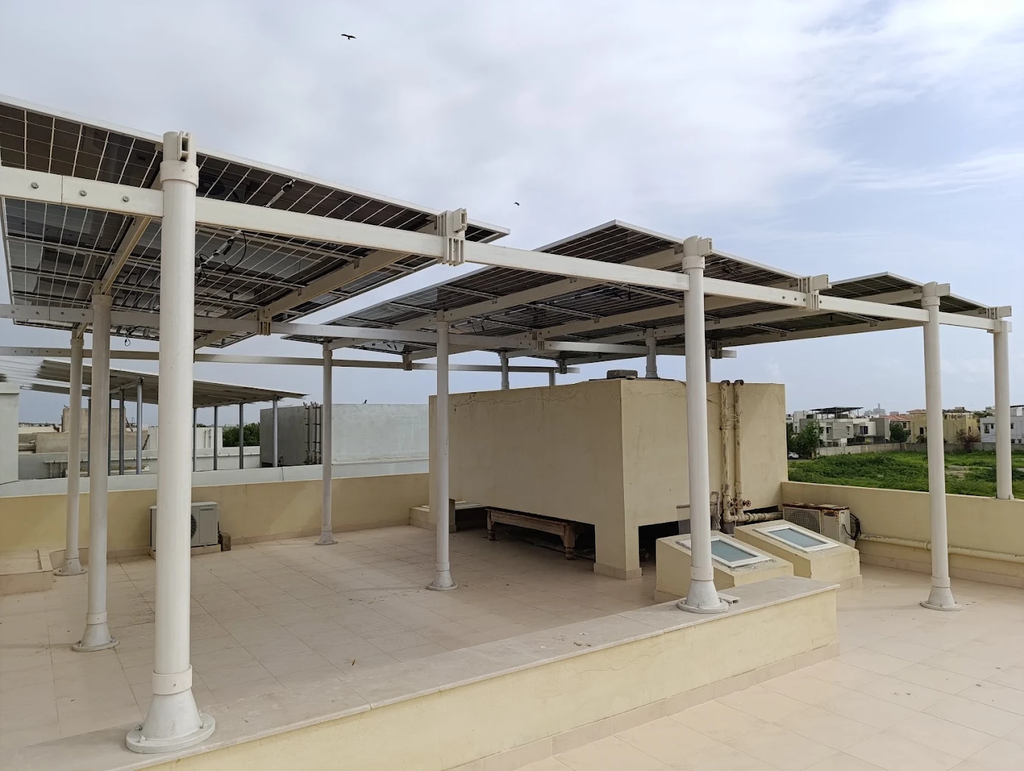
FRP structures Karachi solutions offer advantages such as corrosion resistance, lightweight construction, and reduced maintenance requirements for suitable applications.
As solar adoption continues to grow, choosing the right mounting system will become just as important as selecting quality panels and inverters.
With reliable FRP solar mounting systems, durable corrosion resistant solar structures, practical lightweight solar structures, and professionally designed solar structure solutions, solar owners can create systems built for long-term performance.
Frequently Asked Questions
What Are FRP Solar Structures?
FRP solar structures are mounting systems made from Fiber Reinforced Polymer materials designed to support solar panels with durability and corrosion resistance.
Are FRP Solar Structures Strong Enough for Solar Panels?
Yes. Properly engineered FRP systems can provide the required strength and stability for suitable solar applications.
Why Are Corrosion Resistant Solar Structures Useful?
They help reduce damage caused by moisture, chemicals, and environmental exposure, which can improve long-term durability.