
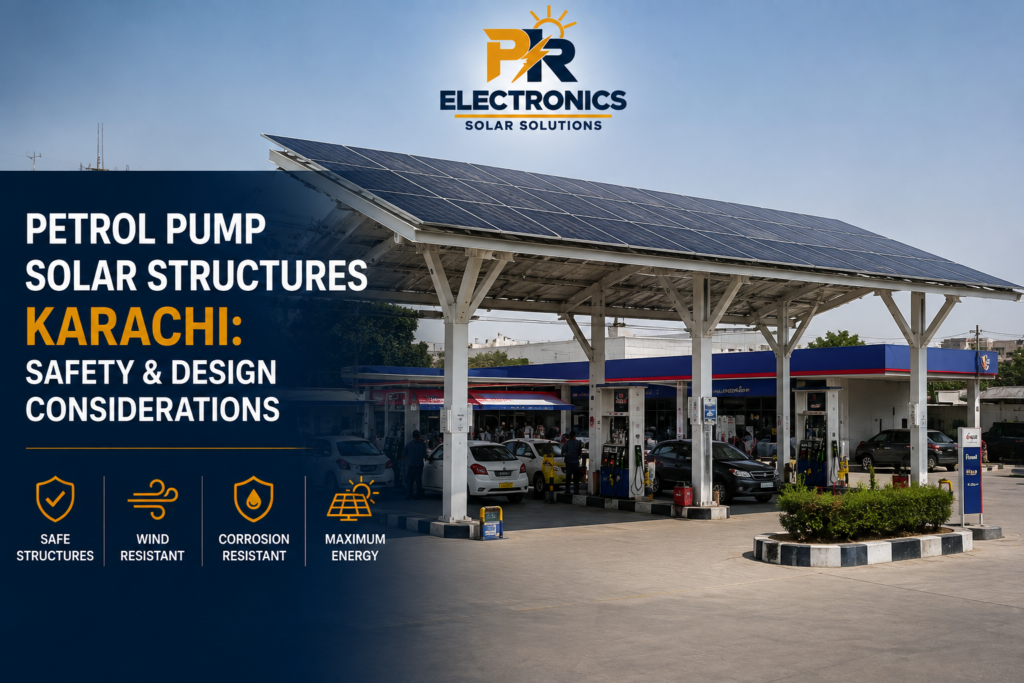
Petrol pumps operate continuously and depend on reliable electricity for lighting, fuel dispensers, security systems, digital displays, offices, and other daily operations. With increasing energy costs, many fuel station owners are exploring solar energy as a practical solution to reduce electricity expenses.
However, installing solar panels at a petrol pump requires more planning compared to a normal rooftop installation.
The supporting structure must handle environmental conditions, safety requirements, vehicle movement, and long-term durability. Properly designed petrol pump solar structures Karachi projects require careful consideration of material quality, structural strength, corrosion resistance, and installation standards.
A solar system is only as reliable as the structure supporting it.
Table of Contents
Why Petrol Pumps Need Special Solar Structure Planning
Petrol stations have unique operating environments. Unlike residential buildings, fuel stations include open areas, vehicle movement, fuel equipment, and safety-sensitive zones.
Before installation, experts must evaluate:
- Available canopy space
- Existing structure strength
- Wind exposure
- Roof condition
- Vehicle clearance
- Electrical requirements
- Maintenance access
Poor planning can create problems such as unstable mounting, difficult maintenance, and unnecessary safety risks.
This is why professional solar mounting structures are an essential part of a successful petrol pump solar project.
Importance of Strong Solar Canopy Design
Many petrol pumps already have large canopy areas above fuel dispensing zones. These areas receive strong sunlight and can become valuable spaces for solar installation.
However, existing canopies are not automatically suitable for solar panels.
Before adding solar modules, the structure should be checked for:
- Load-bearing capacity
- Material condition
- Corrosion damage
- Connection strength
- Weather resistance
Well-designed solar canopy structures should provide stability while maintaining the original function of the petrol station.
The design must support solar panels without affecting customer movement, fuel operations, or safety procedures.
Wind Load Considerations in Karachi
Karachi experiences strong winds, seasonal weather changes, and coastal conditions that can affect outdoor structures.
Solar panels installed on elevated canopies experience wind pressure from different directions.
A reliable solar design considers:
- Wind speed
- Panel angle
- Structure height
- Mounting points
- Fastener quality
- Support strength
Weak or poorly installed structures may create movement, vibration, or long-term damage.
For petrol pump solar structures Karachi, wind resistance should be considered during the design stage rather than after installation.
Corrosion Challenges in Petrol Pump Environments
Corrosion is a major concern for outdoor solar installations in Karachi.
Humidity, dust, pollution, and coastal air exposure can gradually affect metal components.
Common areas affected by corrosion include:
- Frames
- Bolts
- Joints
- Mounting rails
- Support connections
Using suitable materials can improve system durability.
Modern FRP solar structures are becoming an attractive option for projects where corrosion resistance and lightweight construction are important.
FRP materials provide advantages such as:
- Resistance to rust
- Lower maintenance requirements
- Lightweight design
- Long service life
The correct material choice depends on the project requirements and site conditions.
Safety Requirements Around Fuel Stations
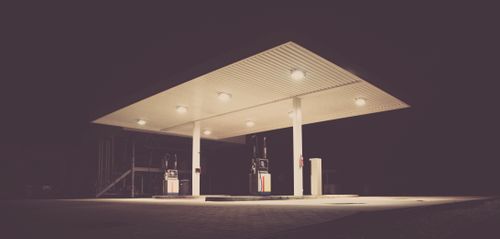
Petrol pumps require careful attention to safety because they involve fuel storage and vehicle movement.
Solar installation planning should consider:
- Safe cable routing
- Proper equipment placement
- Maintenance access
- Emergency movement areas
- Protection of electrical components
Solar structures should never interfere with existing safety systems or operational activities.
Professional installation ensures that solar improvements support petrol pump operations instead of creating additional challenges.
Vehicle Clearance and Space Management
A petrol station must remain functional during and after solar installation.
Large vehicles, fuel tankers, and customer cars require sufficient movement space.
The design of solar canopy structures should consider:
- Vehicle height requirements
- Fuel dispenser access
- Customer movement
- Delivery routes
- Maintenance pathways
A poorly planned structure can reduce operational efficiency.
Good design balances energy generation with practical site requirements.
Why FRP Structures Are Gaining Attention
Traditional metal structures have been widely used for solar installations, but changing environmental conditions have increased interest in alternative materials.
FRP solar structures provide a solution where corrosion resistance and reduced maintenance are priorities.
For petrol pumps located in humid or coastal areas, FRP can help address common problems associated with metal corrosion.
However, every project requires proper engineering evaluation. Material selection should consider:
- Structural requirements
- Weather conditions
- Installation location
- Long-term usage
The goal is not only lightweight construction but dependable performance.
Long-Term Maintenance of Solar Structures
Even high-quality structures require inspection and maintenance.
Regular checks can help identify:
- Loose fasteners
- Corrosion signs
- Structural movement
- Damaged components
- Cable issues
Proper maintenance improves safety and extends the life of the complete solar installation.
For petrol station owners investing in commercial solar solutions, maintenance planning should be considered from the beginning.
How PIR Electronics Supports Petrol Pump Solar Projects
PIR Electronics provides solar structure solutions designed for commercial and industrial applications, including planning, installation support, and structure evaluation.
The company focuses on developing reliable solar mounting structures based on actual site conditions rather than using one standard approach for every project.
For petrol pumps, PIR Electronics considers important factors such as:
- Site assessment
- Structural requirements
- Material selection
- Safety considerations
- Long-term reliability
The objective is to create solar solutions that support energy savings while maintaining operational safety.
Final Thoughts
Solar energy can provide significant benefits for petrol pumps, but the success of any installation depends on choosing the right supporting structure.
Properly designed petrol pump solar structures Karachi projects require attention to safety, wind resistance, corrosion protection, and long-term maintenance.
From canopy evaluation to material selection, every detail influences the reliability of the solar system.
With durable solar mounting structures, advanced FRP solar structures, and professional commercial solar solutions, petrol pump owners can improve energy efficiency while maintaining safe and reliable operations.
A well-planned solar structure is not just a support system for panels. It is the foundation of a successful long-term solar investment.
FAQs
Can Solar Panels Be Installed on Petrol Pump Canopies?
Yes, but the existing canopy must be evaluated to confirm that it can safely support additional solar loads.
Why Are Petrol Pump Solar Structures Different?
Petrol stations require special attention because of vehicle movement, safety requirements, fuel operations, and open-area exposure.
Are FRP Solar Structures Suitable for Karachi?
FRP solar structures can be suitable for Karachi environments because they offer corrosion resistance and require lower maintenance compared to some traditional materials.
How Important Is Wind Resistance for Solar Canopies?
Wind resistance is extremely important because elevated solar panels experience pressure from changing wind conditions.